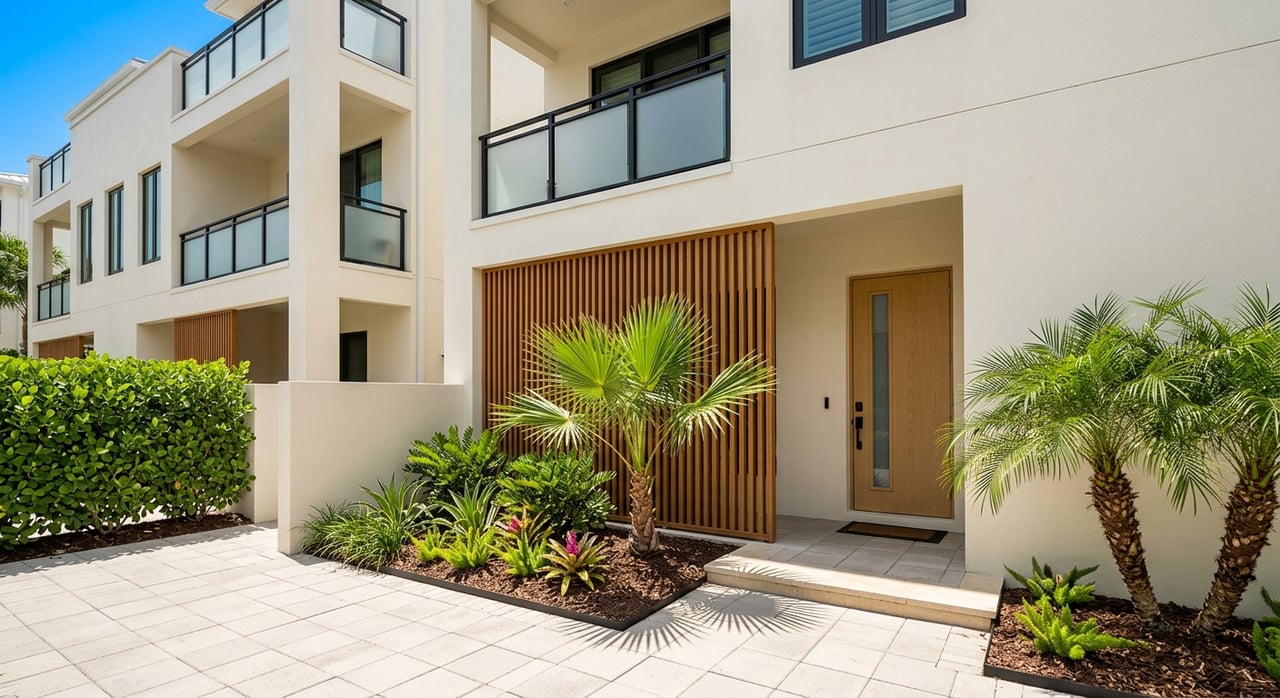
Condo And Townhome Living In Indian Harbour Beach
June 4, 2026
June 4, 2026
Dreaming about a beachside home without the constant weekend yard work? In Indian Harbour Beach, condo and townhome living can offer exactly that balance. If you want easy access to the ocean, nearby parks, and a more low-maintenance routine, this guide will help you understand what to look for before you buy. Let’s dive in.
Indian Harbour Beach is a compact coastal city in Brevard County with an estimated 2024 population of 9,006 and just 2.09 square miles of land area. The city sits between the Atlantic Ocean and the Indian River Lagoon, which gives you a true beachside setting without the scale of a larger market.
That smaller footprint is part of the appeal. When you live close to the beach, parks, and water access, a condo or townhome can make it easier to enjoy the area without taking on the upkeep of a larger lot. For many buyers, that tradeoff feels worth it.
The city also offers several public parks that support an active coastal lifestyle. Indian Harbour Beach lists five parks, including Bicentennial Beach Park, Millennium Beach Park, Gleason Park, and Oars & Paddles Park.
The biggest draw is simple: less personal maintenance, more shared upkeep. In many communities, the association handles some combination of common areas, exterior maintenance, and shared property responsibilities.
That can be especially appealing if you are downsizing, buying a second home, or just want more time to enjoy the beach and local amenities. Instead of focusing on lawn care and larger exterior projects, you may be able to put more of your attention toward how you want to live day to day.
Still, not every community works the same way. Some properties are organized as condominiums, while others are structured under homeowners’ association documents, and that distinction matters.
Under Florida condominium law, the association is generally responsible for common elements, and common expenses can include the operation, maintenance, repair, replacement, or protection of those shared elements and association property. That is often why monthly condo dues are a key part of ownership.
In some cases, the declaration may assign certain limited common elements to a specific unit owner or a group of owners. That means you should never assume the association handles every exterior item just because the property is called a condo.
Townhome communities may be governed by an HOA instead of condominium law. In those communities, the recorded declaration and governing documents control who is responsible for items like the roof, exterior walls, windows, and doors.
This is where many buyers get tripped up. Two townhome communities in the same city can look similar on the surface but have very different maintenance obligations.
Before you fall in love with a unit, ask this: What exactly does the association maintain, and what will you maintain yourself? That answer can affect your budget, your future repair costs, and your overall lifestyle.
If you are buying in a coastal condo market like Indian Harbour Beach, inspection and reserve rules matter. They are not just background details. They can directly affect monthly costs and future assessments.
In Florida, buildings that are three stories or more and subject to condominium or cooperative ownership must complete a milestone inspection by the end of the year they reach 30 years of age and then every 10 years after that. The inspection is a structural safety review, not a full Florida Building Code compliance inspection.
For buyers, the practical takeaway is clear. If you are considering an older condo building, you should ask whether the milestone inspection applies, whether it has been completed, and whether the summary has been provided to owners.
Florida also requires residential condominium associations to complete a Structural Integrity Reserve Study, or SIRS, at least every 10 years for each building that is three stories or higher. The study must cover major components such as the roof, structure, fireproofing and fire protection systems, plumbing, electrical systems, waterproofing and exterior painting, plus windows and exterior doors.
This matters because reserve planning is tied to future repair funding. For budgets adopted on or after December 31, 2024, unit-owner-controlled associations that are required to have a SIRS generally cannot vote to underfund those required reserves.
Monthly dues are not just a line item on your budget. They may reflect the association’s approach to maintenance, long-term planning, and reserve funding.
Florida law allows reserves to be funded through regular assessments, special assessments, lines of credit, or loans. For you as a buyer, that means low dues do not automatically mean better value if major costs are being pushed into the future.
In Indian Harbour Beach, paperwork is part of the property itself. The documents can tell you as much about long-term fit as the kitchen, balcony, or floor plan.
Florida resale disclosures now specifically reference the milestone inspection summary and the association’s most recent SIRS, when applicable. Condominium associations must also maintain official records in the state for at least seven years, and those records must generally be made available within 10 working days of a proper written request.
HOAs under Chapter 720 have similar seven-year record retention and 10-business-day inspection rules. So whether you are buying a condo or a townhome, you should expect access to meaningful records.
Before closing, try to review:
These documents help you understand what your dues actually cover. They also help you spot deferred maintenance, funding gaps, or rules that may not fit how you plan to use the property.
Sometimes the smartest questions are the most direct ones. You do not need to overcomplicate the process.
Here are some of the most useful questions to ask:
Florida law also gives condominium boards authority over hurricane-protection specifications. It also allows unit owners to install EV charging stations in designated parking areas, subject to safety, metering, insurance, and architectural rules.
That is another reason the governing documents matter so much. Features you care about, from parking expectations to exterior improvements, may depend on community-specific rules.
A big part of condo and townhome living here is what sits outside your front door. Indian Harbour Beach offers public spaces that make it easier to enjoy the area without needing a large private yard.
Bicentennial Beach Park and Millennium Beach Park offer boardwalk-style beach access along with outdoor-shower and pavilion features. Gleason Park includes a 27-acre setting with walking paths and a year-round heated pool.
Oars & Paddles Park adds public access to the Banana River through the Whiting Waterway for kayaking and rowing. Canova Beach Park, located in Indian Harbour Beach, includes free parking, ADA beach access, restrooms, showers, surf fishing, and dog-friendly beach access.
For many buyers, that local access is a major part of the value. You may be able to enjoy the beach-town lifestyle and outdoor amenities you want without taking on the maintenance demands of a larger detached home.
Condo and townhome living in Indian Harbour Beach tends to appeal most to buyers who want a compact, beachside lifestyle with less yard work and more shared maintenance. That can include downsizers, second-home buyers, and busy professionals who want convenience near the ocean and lagoon.
The best fit usually comes down to more than the unit itself. You also want confidence in the association’s finances, reserve strength, inspection status, and maintenance structure.
If you are comparing communities, it helps to have a local team who can help you look beyond the finishes and ask the right questions. If you want guidance on Indian Harbour Beach condos or townhomes, connect with the Whitney Team for a tailored plan and local insight.
Whitney Team Advisors
719 Pine Tree Drive
Indian Harbour Beach, FL 32937
Phone: (321) 559-8799
Email: [email protected]
**Lindsey Whitney is a Top 1% Brevard County real estate agent serving West Melbourne, Melbourne, Viera/Suntree, and the Space Coast Beaches
Why the buyer broker agreement should come after the conversation, not before it.

A simple seven step plan that helps Melbourne homeowners sell with clarity, confidence, and control.
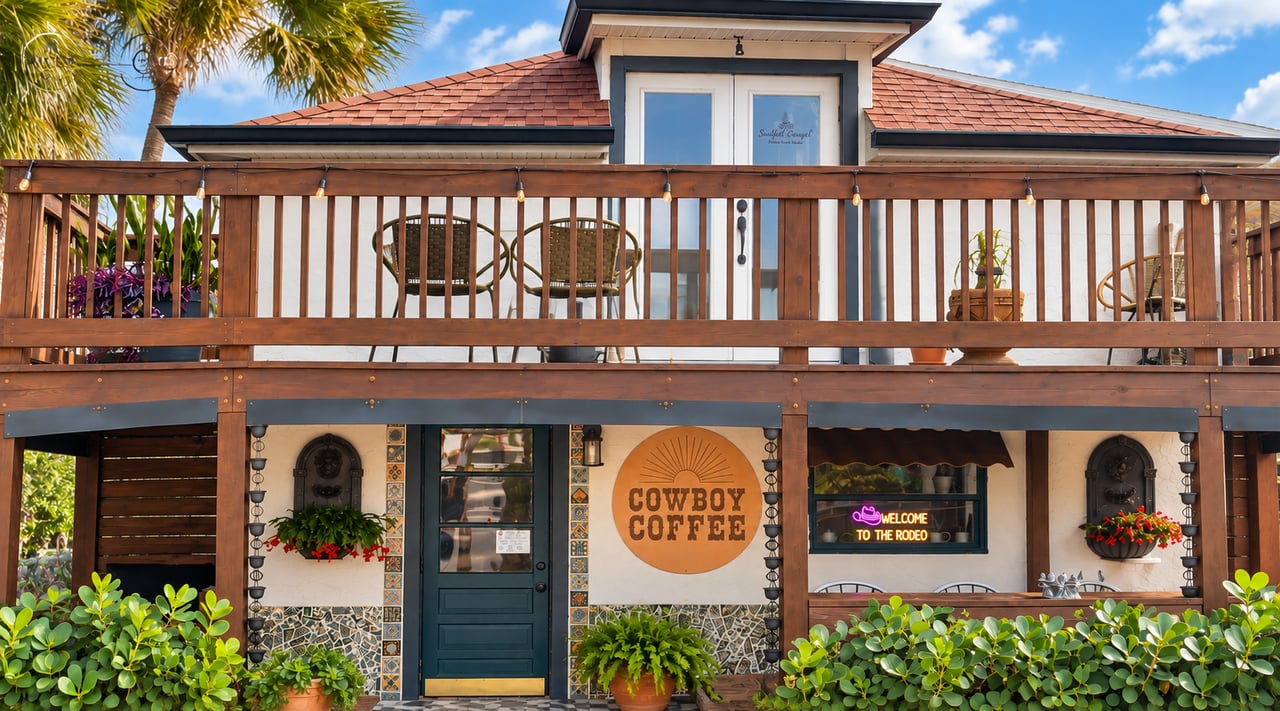
A local Realtor's honest look at daily life living beachside in Indialantic, FL — the walkable coffee scene, the pace, and what it means if you're buying here.

A closing can be ready on every front and still stall on insurance timing. Here's why, and how to plan around it.
There's no universal answer, so here's how to think through the tradeoff before deciding.
Listings
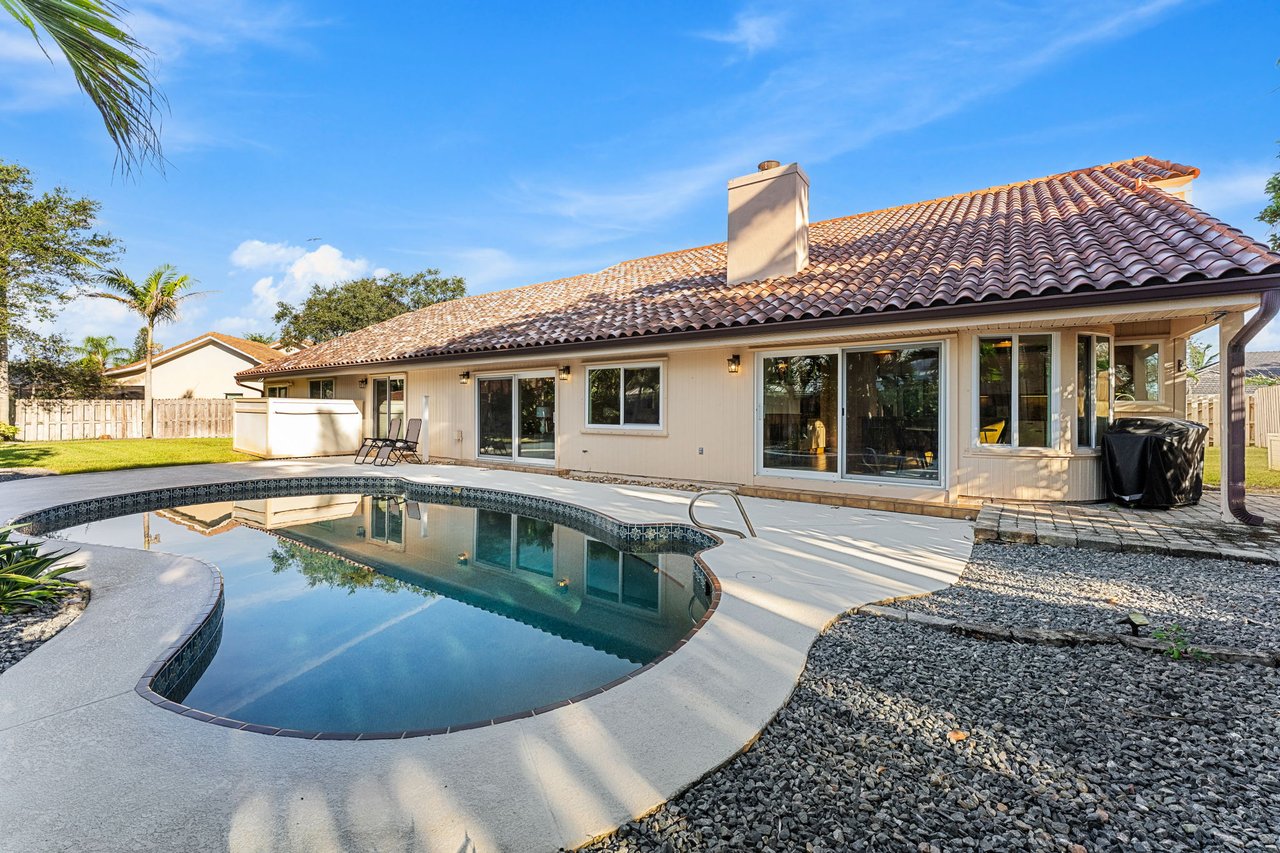
A 5-bedroom, 3.5-bath pool home in Rio Villa with nearly 3,900 square feet, distinctive architecture, and major improvements already complete.

Real Estate
Median price is a useful statistic, until it's asked to answer a property-specific question it was never designed for.
Buyer behavior is evidence of attention, not proof of intent, here's how to read it without overreacting.
Preparing a waterfront listing means preparing the paperwork behind it, not just the dock and the view.
Get top-notch real estate help from a dedicated team focused on finding your perfect home. They're all about making you happy and ensuring your home-buying journey is smooth and fun. Let them lead you to your dream home hassle-free.

WHITNEY TEAM
719 PINE TREE DR, INDIAN HARBOUR BEACH, FL 32937
