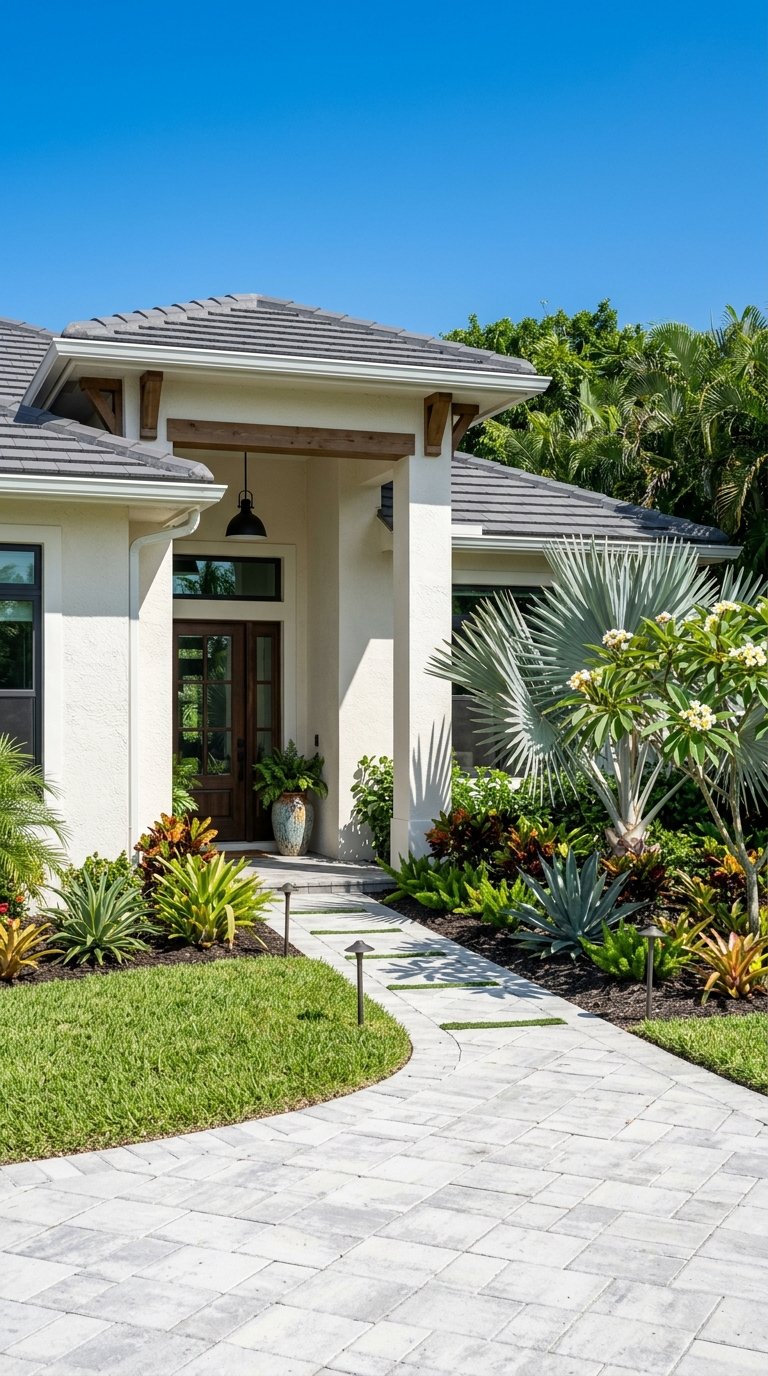
Melbourne Housing Market Trends Sellers Should Know
April 23, 2026
April 23, 2026
If you are thinking about selling in Melbourne, this is not a market to guess in. The good news is that buyers are still active, but they are also taking their time, comparing options, and negotiating more than they did during the hottest years of the market. That means your strategy matters more than ever. In this guide, you will see what current Melbourne housing trends say, how they affect your timeline and pricing, and what steps can help your home stand out. Let’s dive in.
Melbourne’s housing market is best described as balanced to somewhat competitive, not a fast-moving seller’s market. According to Realtor.com’s Melbourne market overview, the city was considered a balanced market in February 2026.
The numbers show a market that is still moving, but with more buyer choice. Redfin’s March 2026 housing data reports a median sale price of $315,000, up 4.0% year over year, with homes taking about 64 days to sell and receiving about 1 offer on average.
At the same time, Zillow’s March 31, 2026 update shows an average home value of $356,354, down 3.7% over the past year, with 895 homes for sale, 241 new listings, and a median 40 days to pending. Realtor.com also reports a median listing price of $399.9K, median days on market of 58, and 1,453 active listings.
These figures are not really in conflict. Each platform tracks the market differently. Together, they point to one clear takeaway: sellers in Melbourne should price for today’s competition, not for the peak conditions of prior years.
Melbourne has enough available inventory to give buyers options. Depending on the source, active listings are running between about 895 and 1,453 homes, which gives buyers room to compare condition, location, and price before making a decision.
That shift matters if you are planning to list. In a market with more selection, buyers are less likely to rush and more likely to pass over a home that feels overpriced or poorly presented. Your listing has to compete, not just exist.
This is one reason first impressions carry so much weight right now. When buyers can scroll through dozens of nearby options, the homes that get attention tend to be the ones that look move-in ready, show clearly online, and launch at a realistic price.
Melbourne is not lacking buyers, but it is seeing more selective demand. Redfin reports a 96.1% sale-to-list price ratio, just 6.7% of homes sold above list price, and 32.1% of listings with price drops.
Zillow shows a similar pattern, with a 0.971 sale-to-list ratio and 81.5% of sales closing under list price. That tells you most sellers are not getting bidding wars. Instead, many are adjusting price or accepting less than their original asking number.
This does not mean you cannot sell well. It means success is more tied to smart positioning than to market momentum alone.
The broader Brevard County market supports the same story. According to the Space Coast MLS March and Q1 report, single-family closed sales in Brevard rose 7.2% year over year in March 2026 to 935 sales, while new listings fell 12.7%.
Months’ supply for single-family homes came in at 3.7 months, and the county’s median single-family sales price reached $369,999, up 2.0% from a year earlier. That is important because it shows single-family homes are not in a weak market. They are simply in a more measured one.
For sellers in Melbourne, that means a well-prepared single-family home can still attract solid interest. But it still needs the right launch plan, because buyers are not acting with the same urgency they showed when inventory was tighter.
If you own a condo or townhouse, the market is softer. The same Space Coast MLS report shows Brevard County condo and townhome prices fell 11.0% year over year to a median of $275,000, with 7.4 months of supply.
That supply level is notable because Florida Realtors’ 2026 market outlook notes that 6 months of supply is generally the start of buyer-market territory. In other words, attached homes are facing more pressure from competition and buyer leverage.
If you are selling this type of property, pricing, condition, and showing quality become even more important. You may need to be especially careful about where you start on price, because buyers have choices and may wait for the best value.
The biggest takeaway for sellers is simple: overpricing is riskier now. With nearly one-third of listings seeing price cuts and most homes selling below list, it is harder to “test the market” without losing valuable time.
A stale listing can quickly work against you. Buyers often assume there is a reason a home has been sitting, even when the real issue is simply that the price started too high. In a balanced market, the strongest activity often comes early, so your first week matters.
That is why current comparable sales, active competition, and buyer expectations should shape your list price. The goal is not just to be on the market. The goal is to be positioned well enough to attract serious interest before your listing starts to feel dated.
If you are wondering how long it may take to sell, the current data gives a useful range. Zillow shows a median of about 40 days to pending, while Realtor.com reports 58 median days on market and Redfin reports about 64 days to sell.
That means you should plan for a normal marketing period, not an instant contract. Some homes will move faster, especially if they are priced well and presented strongly, but a realistic seller mindset is important.
Patience and preparation often go hand in hand in this kind of market. If you go in expecting a quick bidding war, you may feel discouraged by normal negotiation. If you go in with a sound plan, the process feels much more manageable.
In a market like Melbourne’s, sellers often have the best results when they focus on the basics and execute them well.
Your asking price should reflect current competition, not just your ideal outcome. Since many Melbourne homes are selling near or below list price, a strategic starting point can help you capture attention and avoid later reductions.
When buyers have more options, presentation becomes a deciding factor. Clean spaces, strong photos, and a polished online presence can help your home make a stronger first impression.
The first week on market is still important, even in a balanced market. Buyers and agents tend to notice fresh listings first, so your home should be ready before it goes live.
Most sellers should plan for negotiation around price, terms, or both. That is normal in a balanced market and does not mean your listing strategy failed.
For many sellers, waiting for a dramatic rebound may not be the strongest strategy. Florida Realtors expects a more balanced market in 2026, with rising inventory and mortgage rates averaging near 6.3%.
That kind of outlook usually means buyers gain more options over time, not fewer. Melbourne’s local data also suggests a sideways market rather than a sharp upward move, with modest closed-sale growth in some data and softer value trends in others.
If your move is tied to life timing, finances, or a larger housing plan, the better question may not be whether the market will suddenly surge. It may be whether you can position your home well in the market that exists right now.
Selling in Melbourne today can still be a very good move, but it rewards strategy over assumption. Buyers are present, especially for well-prepared homes, yet they are more price-aware and more selective than they were in peak seller-market conditions.
That means your best advantage is not hoping the market does the work for you. It is creating a thoughtful listing plan that matches current conditions, presents your home at a high level, and aims to protect your net proceeds.
If you want a selling strategy built around today’s Melbourne market, connect with the Whitney Team for a tailored plan for your home.
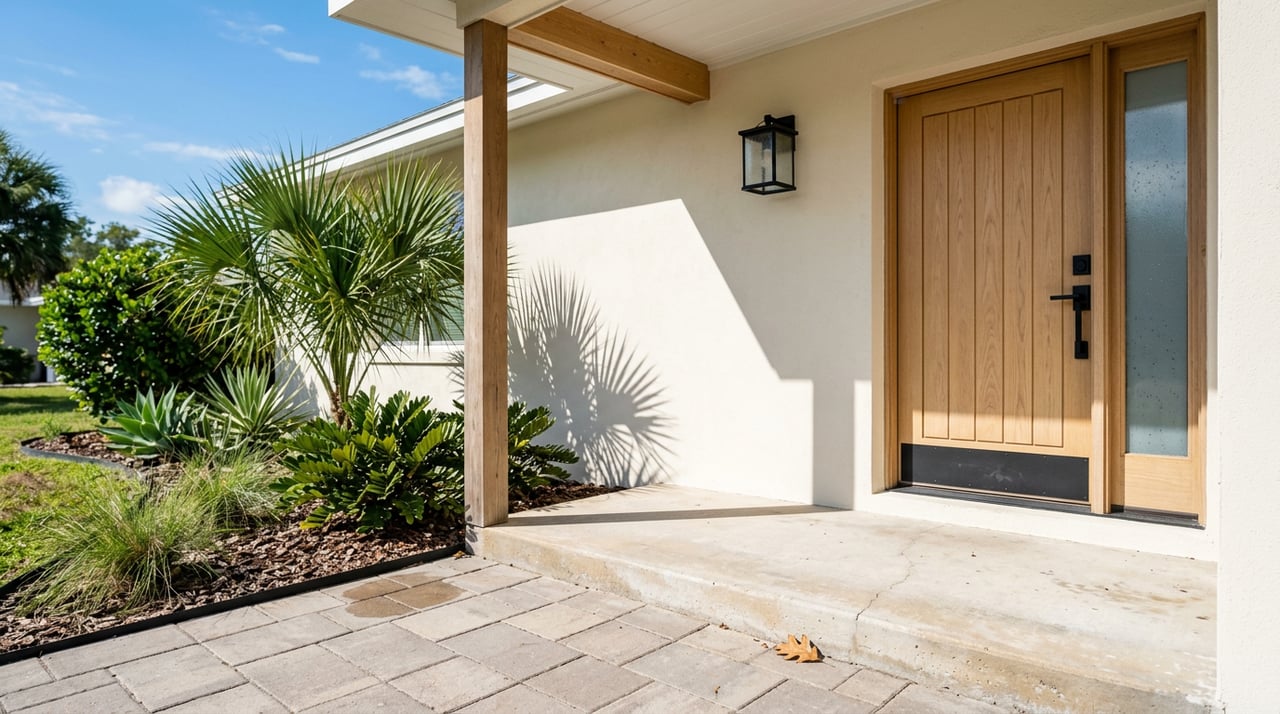
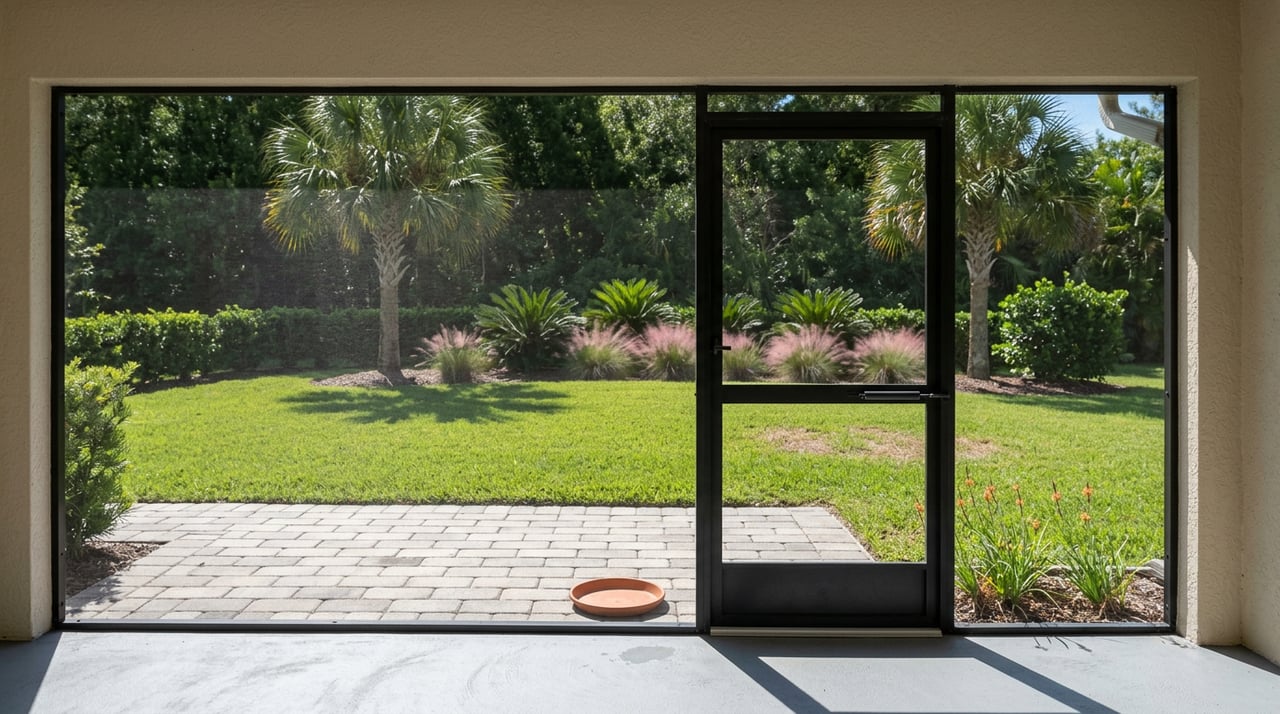

Thinking about moving to Eau Gallie in Melbourne, FL? See what makes this riverfront arts district different, from historic homes to public parks and walkable streets.
Listings
Listings
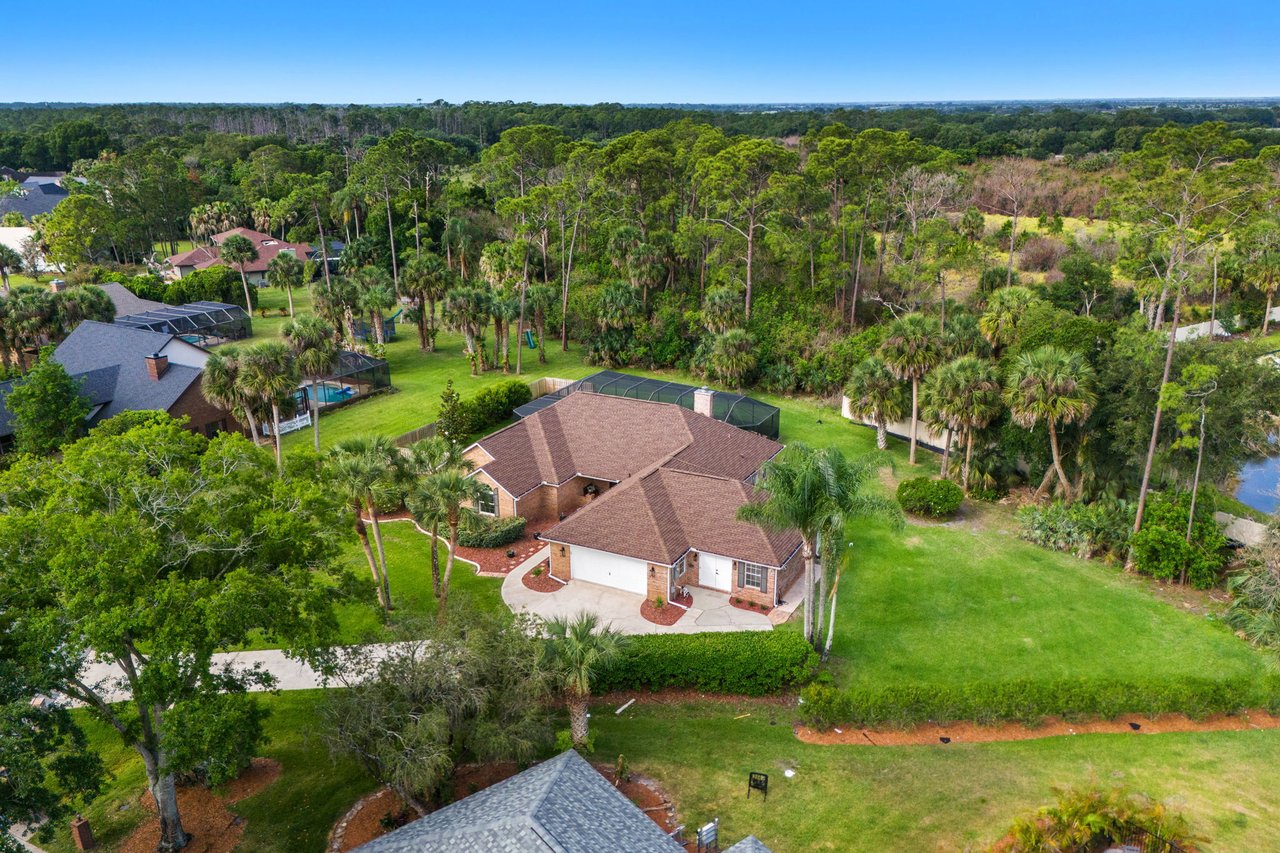
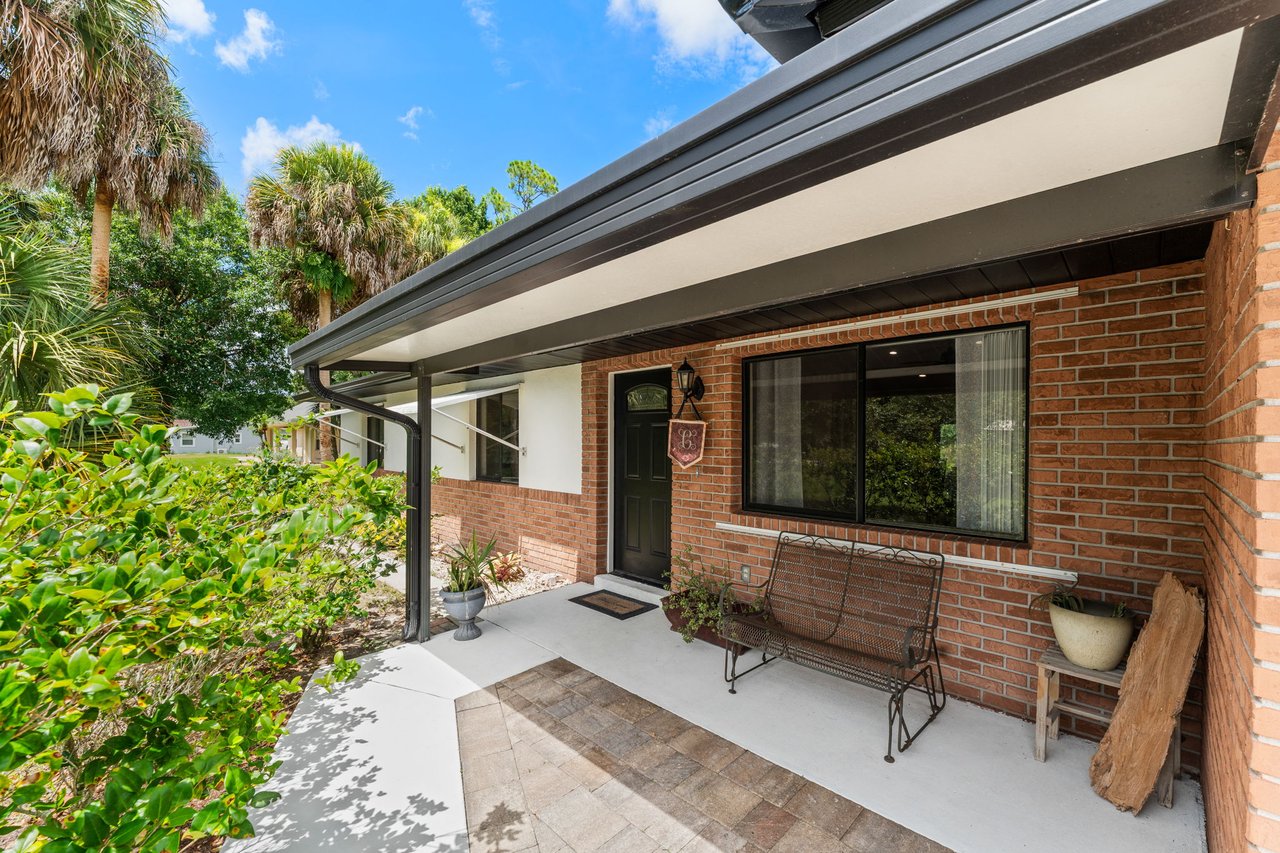
Discover a spacious single-story home with updated interiors, flexible outdoor living areas, a powered workshop, and nearly one acre in Melbourne, Florida.
Get top-notch real estate help from a dedicated team focused on finding your perfect home. They're all about making you happy and ensuring your home-buying journey is smooth and fun. Let them lead you to your dream home hassle-free.
WHITNEY TEAM
719 PINE TREE DR, INDIAN HARBOUR BEACH, FL 32937
