West Melbourne Neighborhoods Explained For Everyday Homebuyers
March 24, 2026
March 24, 2026
Trying to figure out which West Melbourne neighborhood fits your everyday life? With older pockets, classic 1990s suburbs, and newer planned communities, the options can blend together fast. You want value, easy errands, and a commute that does not eat your day. This guide breaks West Melbourne into clear pockets, shows what typical homes look like, and highlights commute and shopping facts so you can choose with confidence. Let’s dive in.
West Melbourne counted 25,924 residents at the 2020 Census, and current profiles place the city in the high 20,000s to low 30,000s with roughly 11,700 housing units and about 10,600 households. You will find a mix of older streets and many post‑1990 subdivisions inside city limits. For quick context, the ACS reports a median value of owner‑occupied homes around $377,100. You will also see consumer portals showing early‑2026 medians in the $370,000 to $410,000 range, which vary by how each site measures list versus sold prices.
Commutes are a local bright spot. The mean travel time to work is about 22.9 minutes (ACS), supported by quick access to I‑95, US‑192/New Haven Avenue, CR‑509 (Wickham/Minton), and Palm Bay Road.
Think of West Melbourne in three practical pockets you can tour in a single afternoon.
These areas sit closer to the older road and rail corridors and around established streets near Meadowlane. You will see mid‑century bungalows, ranch homes from the 1950s to 1970s, and scattered infill. These pockets can offer a lower entry price or strong value for the square footage. Expect smaller lots and the possibility of updates like roof, HVAC, electrical, or termite work. A thorough inspection is essential.
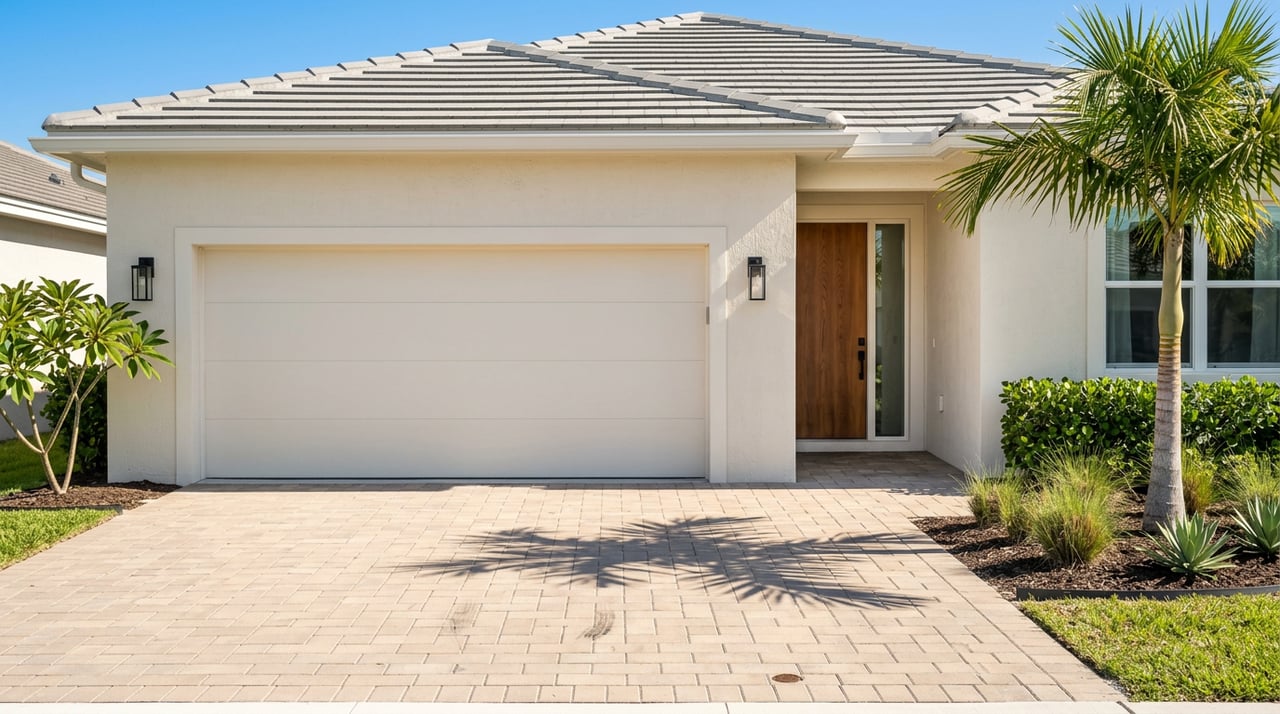
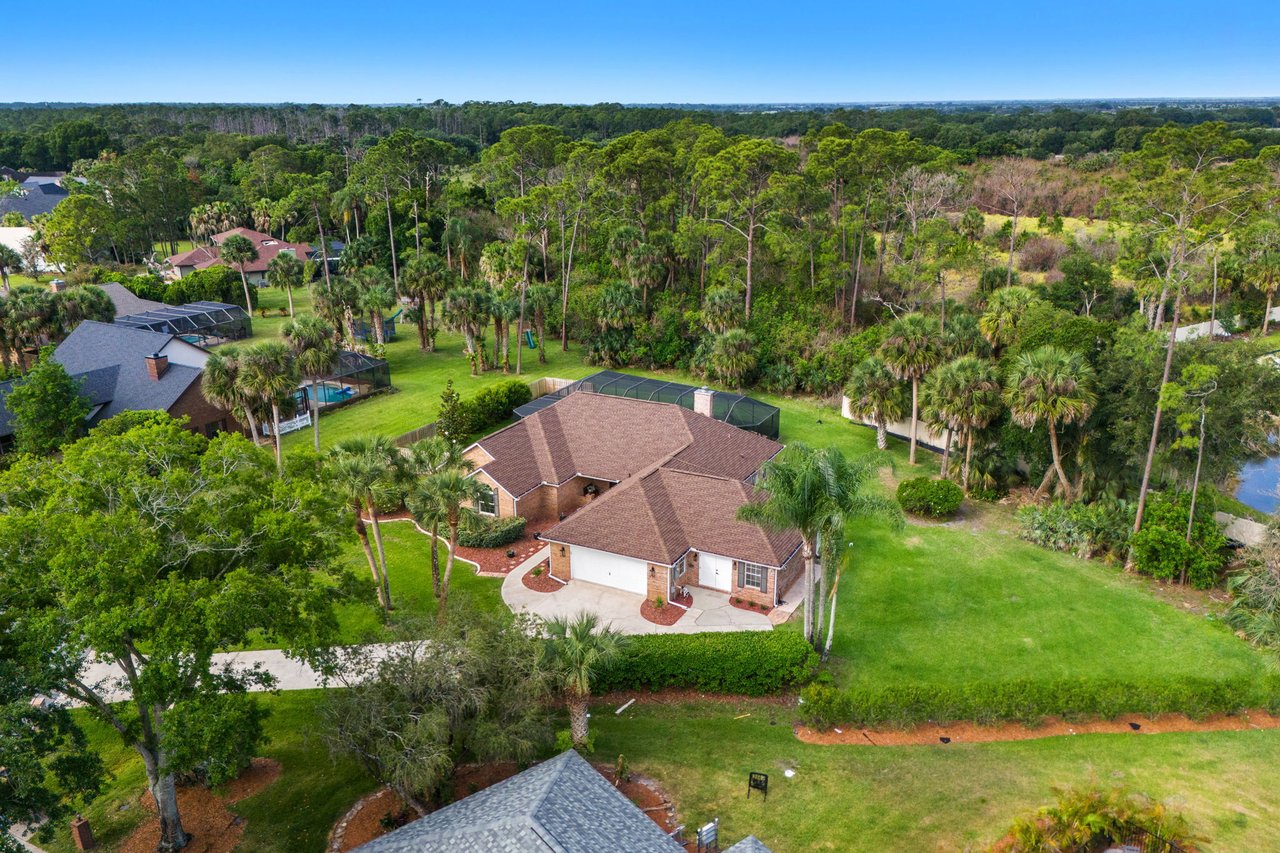
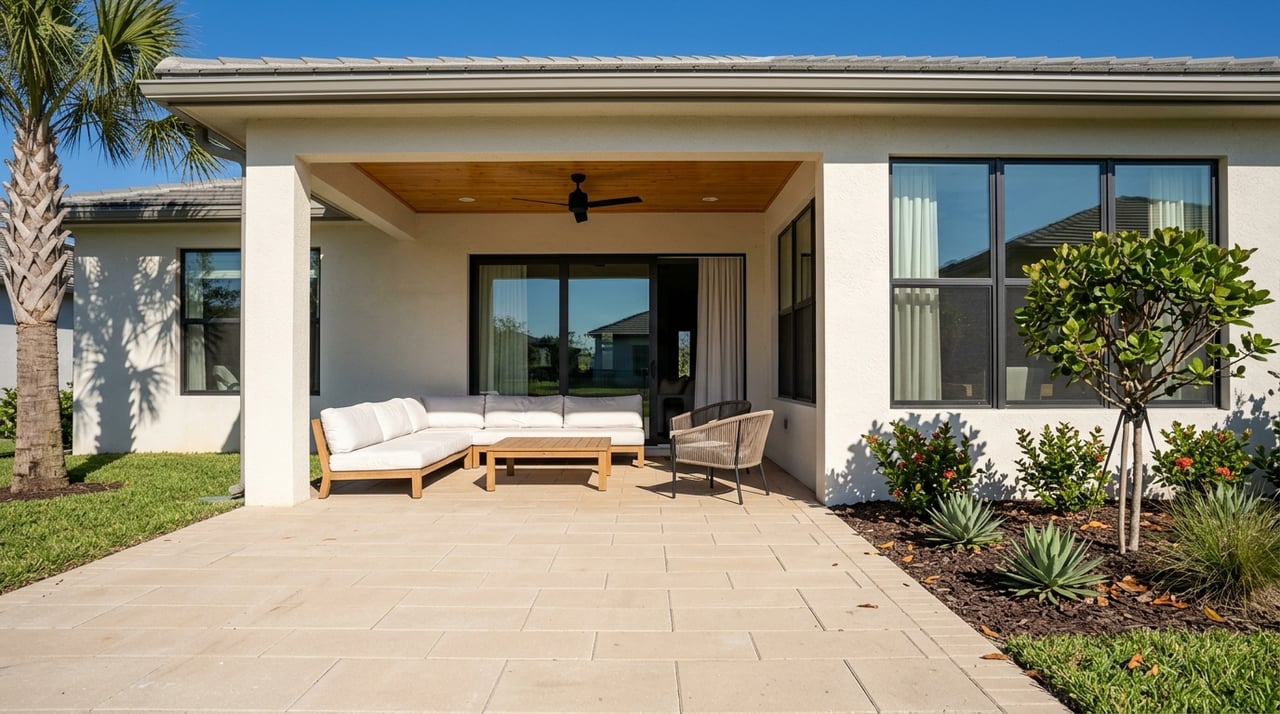
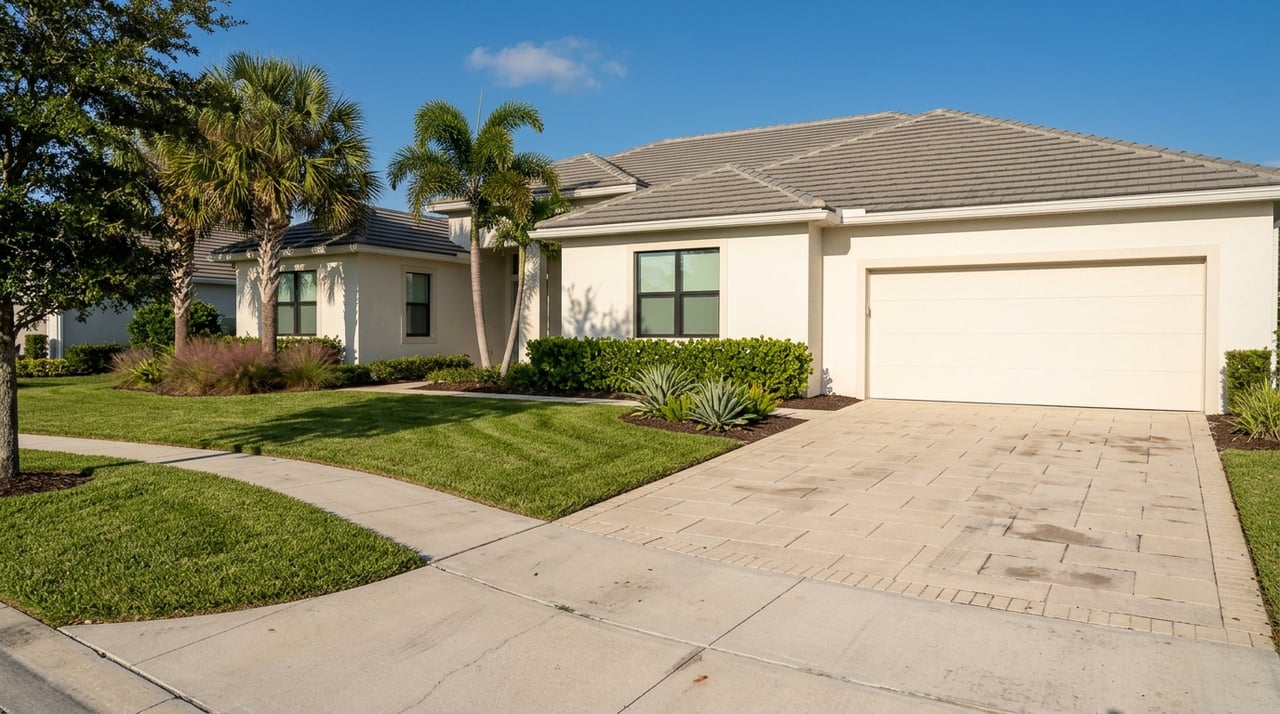
Much of West Melbourne’s growth since the 1990s shows up as classic subdivision streets with three to four bedrooms and two‑car garages. Homes often feature open kitchens and screened lanais. Prices tend to sit in the city’s middle bands. The tradeoff is straightforward: more move‑in ready living than older pockets, usually with manageable yards and community sidewalks. Some of these neighborhoods have modest HOA fees, so plan to review HOA documents early in your search.
You will also find newer planned subdivisions and gated pockets with ponds, trails, and community features. City planning materials frequently reference communities like Manchester Lakes, Crystal Lakes and Crystal Lakes West, Compass Pointe, Heritage Lakes, and similar plats. These areas tend to bring newer construction and a polished streetscape. Expect HOA governance, smaller to mid‑sized yards, and features that make daily life easy.
Most options you will tour are single‑family homes with practical layouts for everyday living. Here is what you will commonly see inside:
If you are looking at older pockets, budget for potential updates. If you focus on newer HOA communities, review the association budget, reserves, rules, and capital project plans before you commit.
For one‑stop errands, Hammock Landing is the primary retail and dining hub inside West Melbourne. It is an open‑air center with national retailers, groceries, casual restaurants, and entertainment that covers most day‑to‑day needs. Explore the area on the Hammock Landing listing.
Want more options within a quick drive? Downtown Melbourne offers sit‑down restaurants, arts, and nightlife. To the north, Viera’s open‑air center adds higher‑end retail and dining. Get a feel for the scene at The Avenue Viera.
Most trips are by car. West Melbourne sits close to I‑95 and US‑192, and the city highlights roadway projects like the Ellis Road improvements that support airport access and east‑west flow. Check updates on the city’s site: City of West Melbourne. The ACS‑reported mean commute is about 22.9 minutes, which is notably short for the metro. For route context, major county corridors include Wickham and Minton along CR‑509; see the Brevard County road list for reference. Melbourne Orlando International Airport (MLB) is a short drive for many neighborhoods, which frequent flyers appreciate. Space Coast Area Transit provides local bus service, though most commuters rely on driving.
Here is a quick side‑by‑side to frame your search:
Use this simple framework to narrow your short list.
Ready to compare properties pocket by pocket and line it up with your goals? Talk with the Whitney Team for a local, data‑guided plan and on‑the‑ground tours tailored to how you live.
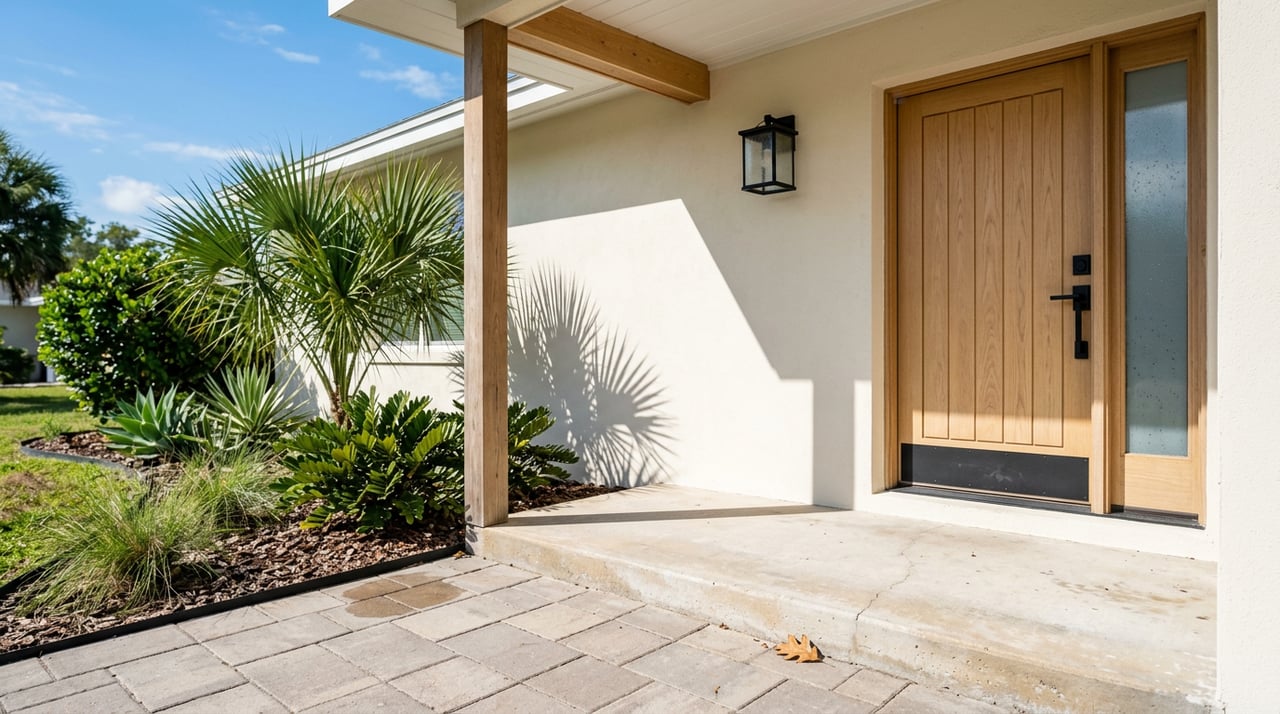
Thinking about moving to Eau Gallie in Melbourne, FL? See what makes this riverfront arts district different, from historic homes to public parks and walkable streets.
Listings
Listings
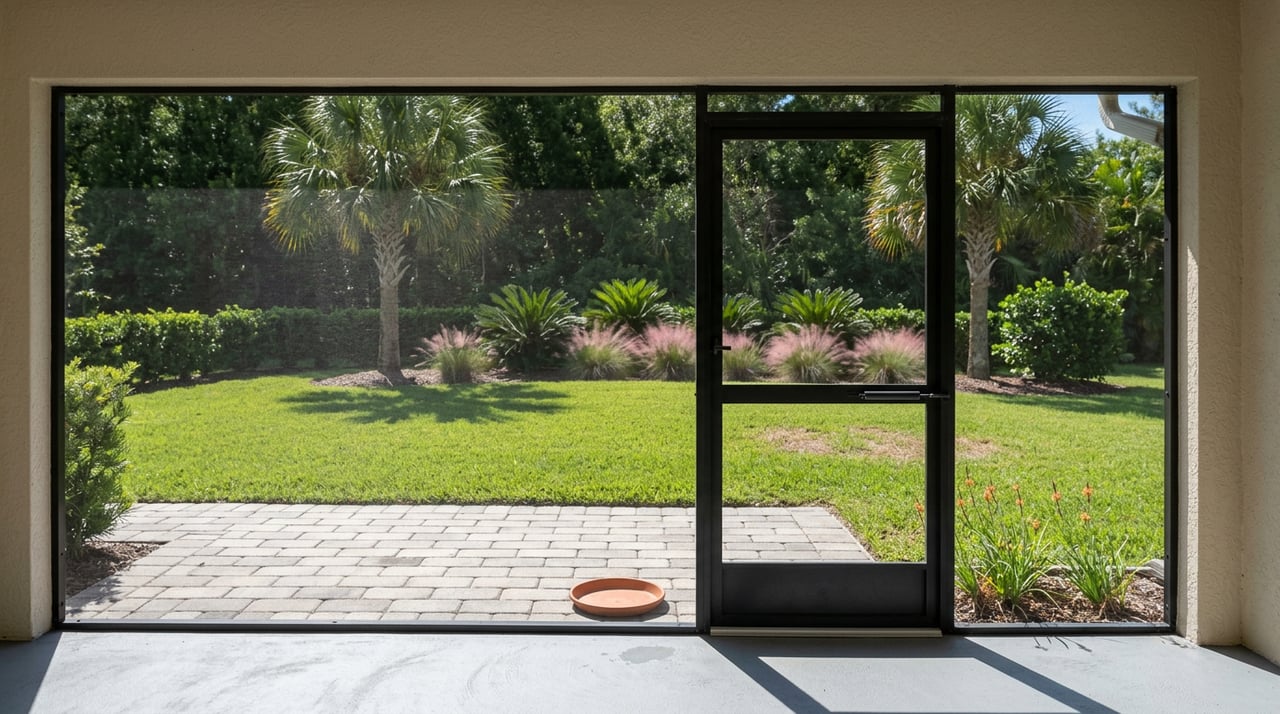
Discover a spacious single-story home with updated interiors, flexible outdoor living areas, a powered workshop, and nearly one acre in Melbourne, Florida.
Get top-notch real estate help from a dedicated team focused on finding your perfect home. They're all about making you happy and ensuring your home-buying journey is smooth and fun. Let them lead you to your dream home hassle-free.
WHITNEY TEAM
719 PINE TREE DR, INDIAN HARBOUR BEACH, FL 32937
