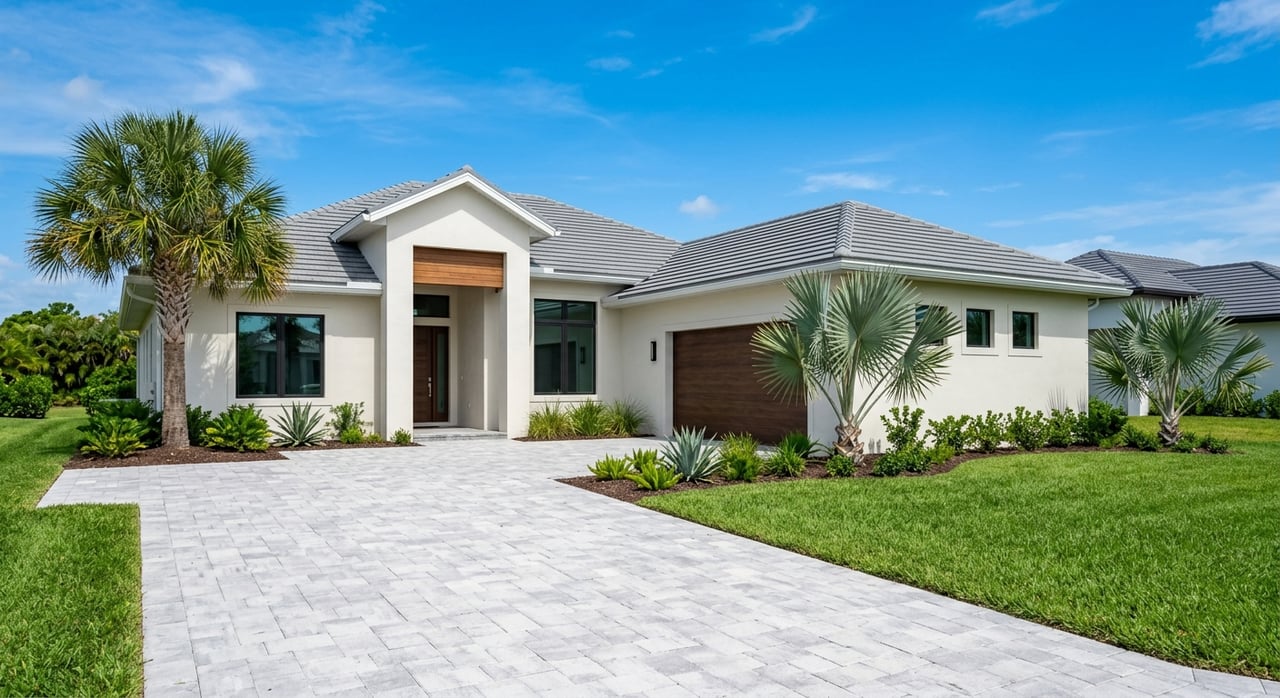
Palm Bay New Construction Land: A Smarter Buying Guide
May 7, 2026
May 7, 2026
Looking at land or new construction in Palm Bay can feel exciting right up until the real questions start. Is the lot actually buildable? Are water and sewer available? Will you need septic, a well, flood review, or a different development path altogether? If you want to move forward with confidence, it helps to understand how Palm Bay’s rules shape real opportunities. Let’s dive in.
Palm Bay is one of the larger and faster-growing cities in Brevard County. Florida’s April 1, 2024 estimate placed Palm Bay at 140,199 residents, and the U.S. Census Bureau’s July 1, 2024 estimate put the city at 142,023, which is up 18.6% from 2020.
That growth matters if you are thinking about buying land, building a home, or evaluating future resale potential. It points to ongoing housing demand in a city where owner occupancy remains high at 79.7%, with a median owner-occupied home value of $283,200 and median monthly rent of $1,601.
Palm Bay offers more than one type of land or building opportunity. The city’s planning and zoning framework supports everything from scattered individual lots to more coordinated development projects.
In simple terms, the opportunity is not just about finding acreage. It is about finding the right parcel for the right path, whether that means a single custom home, a small lot split, an infill project, or a larger planned development.
Palm Bay’s planning documents support infill development, which can create opportunities on scattered lots and in already-platted areas. If you are buying one lot for a future home, this matters because the city recognizes smaller-scale development patterns alongside larger projects.
That said, a lot looking available on a map does not automatically mean it is ready to build. Utility access, flood status, frontage, and permitting requirements can all affect whether the site works for your goals.
Palm Bay’s subdivision code allows minor subdivisions of up to 10 lots, along with simple lot splits and lot reconfigurations in certain cases. These options can appeal to owners and investors who want something more than a single homesite but less than a major development.
The rules are specific, though. For example, the lots must front maintained streets, and these smaller subdivision options cannot create new streets.
For larger or more flexible projects, Palm Bay allows planned unit developments, or PUDs. The city says PUDs can create a more coordinated urban form than conventional zoning alone, and its code is designed to promote coordinated building and reduce piecemeal growth.
Standard PUDs generally begin at 5 acres, SPUDs at 1 acre, and infill PUDs have no minimum size requirement. The city also directs higher-density development toward areas with transportation infrastructure, services, and centralized water and sewer.
One of the biggest mistakes buyers make is assuming a larger lot is automatically a better opportunity. In Palm Bay, buildability often matters more than size alone.
A smaller parcel with confirmed utilities, public street access, and straightforward permitting may be far easier and more cost-effective than a larger parcel with unresolved septic, well, drainage, or flood issues. Before you focus on acreage, focus on what it will actually take to get from dirt to finished home.
Palm Bay’s own buildability guidance gives you a practical starting point. Before you chase plans or pricing, verify the physical and regulatory basics.
Palm Bay Utilities says its service area covers a large portion of the city, but not all of it. That means two lots in the same general area may have very different development costs and timelines.
The city directs buyers to verify service availability by address. This should be one of your first steps, because utility access can shape almost every other decision.
If city water or sewer is not available, do not assume septic and well approval will be simple. In Brevard County, the local health department handles onsite sewage construction permits, and the Florida Department of Health notes that Brevard performs the well-permitting program.
This is especially important for buyers looking at more rural-feeling or scattered lots. A parcel may seem appealing on price, but the real answer depends on whether the site can support the needed systems under current health and soil standards.
Palm Bay requires lots to have access from a public street. Easements cannot serve as the sole access to a public street.
That may sound technical, but it is a major practical issue. If access does not meet city standards, your dream lot may not function as expected for a residential build.
Palm Bay tells buyers to check whether a lot is in a flood hazard area before pursuing a building permit. If the lot is in a flood zone other than X or X500, the city says a floodplain permit is required before a building permit can be issued.
Drainage also matters beyond flood maps. The city requires stormwater drainage for subdivisions, which can affect design, cost, and feasibility.
If you are comparing lots, utility costs deserve a line item of their own. They can materially affect your budget even when the purchase price looks attractive.
For a standard 80-foot lot, Palm Bay currently publishes estimated initial connection costs of $4,347.98 for city water and $5,770.40 for city sewer. The city also offers connection payment agreements for some owner-occupied residential accounts for up to five years.
That means two seemingly similar lots can carry very different total costs depending on whether connections are available, already in place, or still part of your future expense. Looking only at land price can give you an incomplete picture.
Palm Bay’s long-term direction is also important for buyers and owners to understand. The city says mandatory connection to sewer and water applies to developed properties where lines are readily available.
The city is working through a multi-year effort to reduce thousands of septic systems and drinking-water wells over time. It also notes that about 1,275 homes already have sewer available at the property line but still use septic.
For you, this means utility planning is not just about today’s setup. It can also affect how a property fits into the city’s broader infrastructure goals over time.
Buying land is only the first step. If your end goal is building, Palm Bay’s permitting process and site requirements should be part of your planning from day one.
The city now uses an ePermitHub Digital Plan Room for electronic plan submission and review. It also states that permit applications must comply with the Florida Building Code provisions in force at the city.
Palm Bay notes that new homes and duplexes require a landscape plan on a survey drawing. That drawing must show proposed structures and site elements such as septic tanks, drainfields, driveways, pools, sheds, and preserved vegetation.
This is a good reminder that lot planning is about the whole site, not just where the house will sit. The shape of the lot, placement of improvements, and utility strategy all need to work together.
The city also warns that construction work must be done by a licensed contractor. If you are early in your planning, this is another reason to build a solid team before you commit to a parcel that may require extra coordination.
If you want a practical screen for any Palm Bay lot, start with these questions:
These questions help you move past the listing photo and into the real decision-making process. In Palm Bay, that is where good deals and costly surprises usually separate.
Palm Bay can offer meaningful opportunity for buyers, future builders, investors, and owners looking at development potential. The city’s framework supports infill, flexible PUD structures, and coordinated growth, while also setting clear rules around utilities, drainage, access, and permitting.
The big takeaway is simple. A lot’s true value is tied less to raw size and more to how well it matches the right utility, flood, and entitlement path.
If you are weighing Palm Bay land, new construction, or a development parcel, local guidance can save you time and help you avoid expensive missteps. The Whitney Team can help you evaluate opportunities, understand the practical questions to ask, and build a strategy that fits your goals.
Why the buyer broker agreement should come after the conversation, not before it.
A simple seven step plan that helps Melbourne homeowners sell with clarity, confidence, and control.
A local Realtor's honest look at daily life living beachside in Indialantic, FL — the walkable coffee scene, the pace, and what it means if you're buying here.
A closing can be ready on every front and still stall on insurance timing. Here's why, and how to plan around it.
There's no universal answer, so here's how to think through the tradeoff before deciding.
Listings
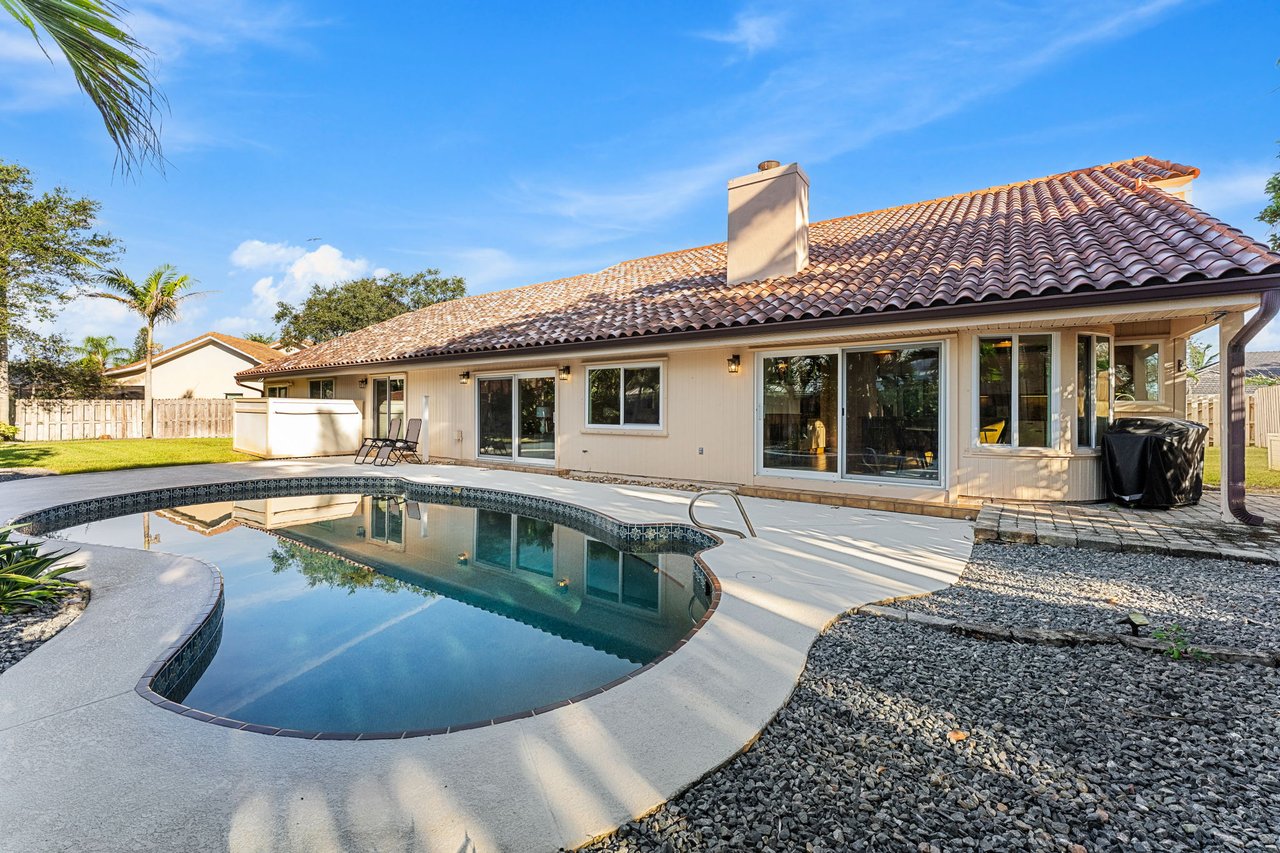
A 5-bedroom, 3.5-bath pool home in Rio Villa with nearly 3,900 square feet, distinctive architecture, and major improvements already complete.

Real Estate
Median price is a useful statistic, until it's asked to answer a property-specific question it was never designed for.
Buyer behavior is evidence of attention, not proof of intent, here's how to read it without overreacting.
Preparing a waterfront listing means preparing the paperwork behind it, not just the dock and the view.
Get top-notch real estate help from a dedicated team focused on finding your perfect home. They're all about making you happy and ensuring your home-buying journey is smooth and fun. Let them lead you to your dream home hassle-free.
WHITNEY TEAM
719 PINE TREE DR, INDIAN HARBOUR BEACH, FL 32937
