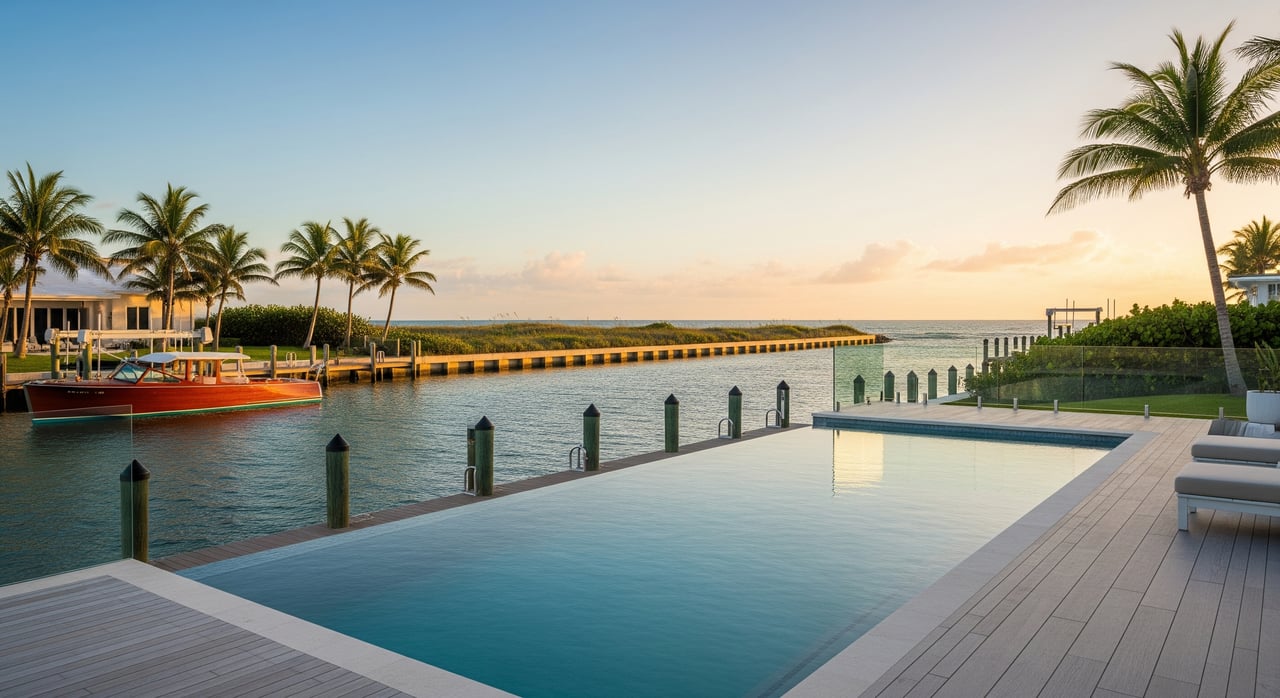
Satellite Beach Waterfront Living: Canal vs. Ocean
December 18, 2025
December 18, 2025
You dream about waking up on the water in Satellite Beach. The real question is which water fits your life best: a calm canal on the Banana River side or a front‑row seat to the Atlantic. Both offer the Space Coast lifestyle, yet day‑to‑day living can feel very different. In this guide, you’ll compare access, maintenance, insurance, and long‑term trade‑offs so you can buy with confidence. Let’s dive in.
If boating is your daily rhythm, canal living is often the smoother choice. You get calmer waters for small to medium powerboats, kayaks, and paddleboards. Private docks and lifts are common, and weekend launches are simple.
There are limits to weigh. Canal depth, fixed bridges, and channel width can cap boat size and mast height. Some canals need periodic dredging to maintain depth. Docks, lifts, and seawalls typically require permits from local and state agencies, and mangrove and seagrass protections apply.
Oceanfront puts surf fishing and sunrise walks right outside your door. Offshore runs are part of local life, but most owners keep larger boats at marinas or public ramps rather than on an oceanfront lot. Wave energy and surf make private ocean launching impractical for most small boats. If offshore fishing is your passion and you prefer a boat at home, a canal property often pairs better with your routine.
You step from your patio to the sand. The views are wide open and the sea breeze is constant. Expect more wind and salt spray, which influence exterior materials and maintenance. Foot traffic can increase near public beach access points, especially during peak seasons.
You enjoy a quieter shoreline with birdlife and estuary views. Daily life centers on your dock, paddling at sunset, and casual fishing. Beach time is still easy. On this narrow barrier island, many canal streets are only a few blocks from public beach access, so toes‑in‑the‑sand remains part of your week.
Surf and wind create a constant natural soundtrack. Scenic value is usually highest, which supports long‑term appeal. Visitor activity may increase near public access points depending on parking and local policies.
Canal neighborhoods tend to feel more tucked away. You may hear weekend boat traffic or conversation from nearby docks. Views can be picturesque, with mangroves and boats, though less dramatic than the open Atlantic.
Oceanfront homes face higher exposure to wave energy, coastal erosion, and dune dynamics. Canal properties are more sheltered but still experience storm surge transmitted through the lagoon and occasional tidal flooding. For big‑picture planning, review local hazards using the FEMA flood maps and visualize water‑level scenarios with NOAA’s Sea Level Rise Viewer.
Many coastal parcels fall within Special Flood Hazard Areas, which can affect building elevation and flood insurance requirements under the NFIP. Florida’s coastal construction standards call for wind‑resistant design and, in some cases, raised foundations or pilings. Explore requirements through the Florida Building Code and always verify with local building departments.
Waterfront structures like docks, lifts, seawalls, riprap, and vegetation trimming require permits. Start with the Florida DEP’s Coastal Construction Control Line guidance and note mangrove protections through DEP’s mangroves program. Projects in navigable waters may also involve the U.S. Army Corps of Engineers’ Regulatory Program and permitting.
The Indian River Lagoon and Banana River have seen water‑quality challenges in recent years, including seagrass loss and algal blooms. These conditions can affect visibility, marine growth on docks and hulls, and fishing. Restoration work is ongoing with the Indian River Lagoon National Estuary Program. Stay informed through the IRLNEP at One Lagoon and Brevard County’s Indian River Lagoon resources.
Flood and wind coverage are central parts of coastal ownership in Florida. Many properties require flood policies under the National Flood Insurance Program. Rates vary by elevation, construction features, and mitigation. Check coverage requirements and options with FEMA’s flood insurance resources and current market conditions via the Florida Office of Insurance Regulation.
Oceanfront condominiums often carry higher HOA dues due to structural insurance, common areas, elevators, and dune or beach management. Single‑family oceanfront homes may or may not have an HOA. Canal neighborhoods vary as well. Some HOAs regulate dock sizes, boat types, and speed, and may levy special assessments for seawalls or dredging after storms. Always review governing documents, reserves, and recent meeting minutes.
Oceanfront is scarce and usually commands a premium thanks to direct beach access and open views. That appeal is balanced by higher exposure and potentially higher operating costs. Canal properties are highly desirable for boaters who want private docks and calmer waters. Value depends on access to the Intracoastal, canal depth, bridge clearances, and overall neighborhood demand. Market pricing shifts, so compare recent local sales before you decide.
Choose oceanfront if your ideal day starts with a sunrise stroll, surf time, and an endless horizon. Choose canal if you want your boat at home, protected waters, and dockside sunsets. Both give you Satellite Beach’s barrier‑island lifestyle, just with different rhythms and responsibilities.
If you want a clear, step‑by‑step plan tailored to your goals, reach out to the Whitney Team. We will help you weigh access, maintenance, insurance, and resale so you can move forward with confidence.
Thinking about moving to Eau Gallie in Melbourne, FL? See what makes this riverfront arts district different, from historic homes to public parks and walkable streets.
Listings
Listings
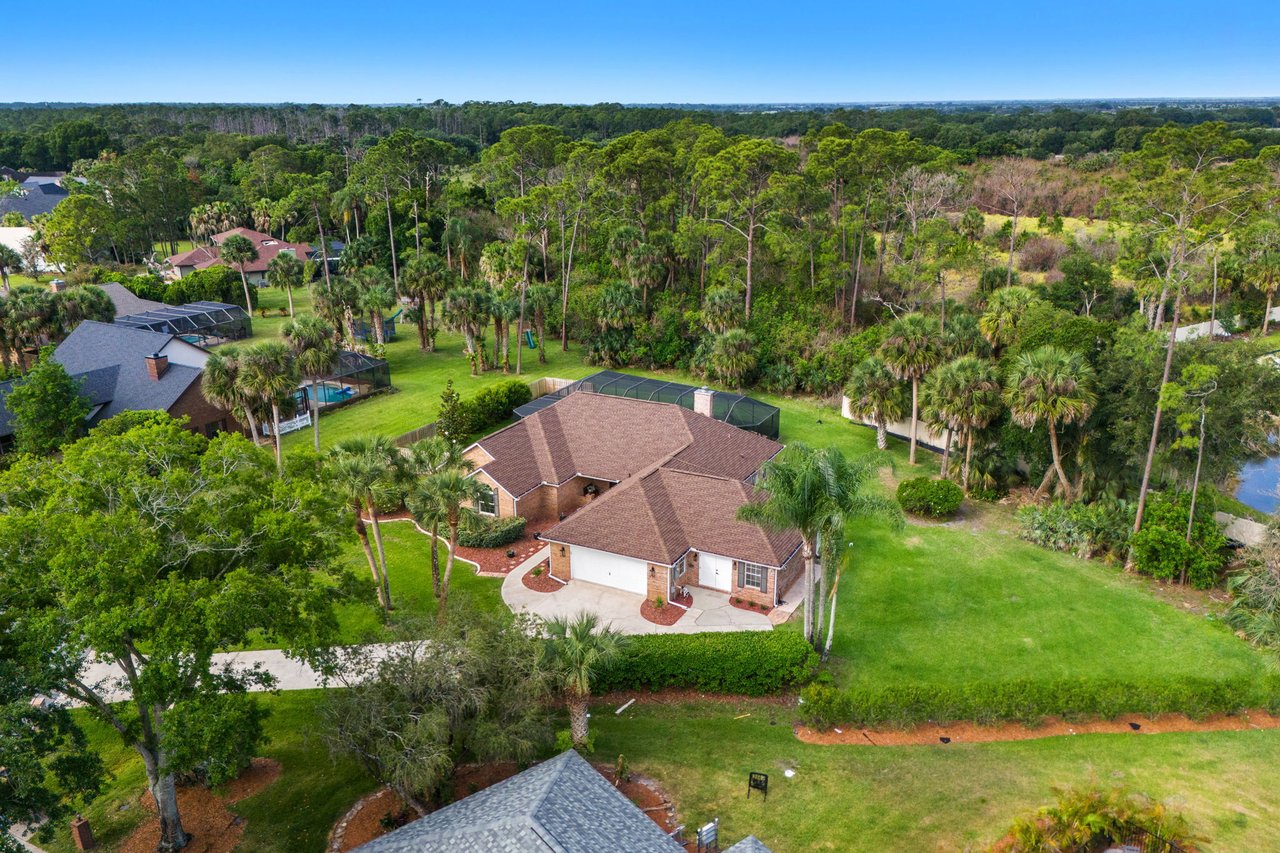
Discover a spacious single-story home with updated interiors, flexible outdoor living areas, a powered workshop, and nearly one acre in Melbourne, Florida.
Get top-notch real estate help from a dedicated team focused on finding your perfect home. They're all about making you happy and ensuring your home-buying journey is smooth and fun. Let them lead you to your dream home hassle-free.
WHITNEY TEAM
719 PINE TREE DR, INDIAN HARBOUR BEACH, FL 32937
