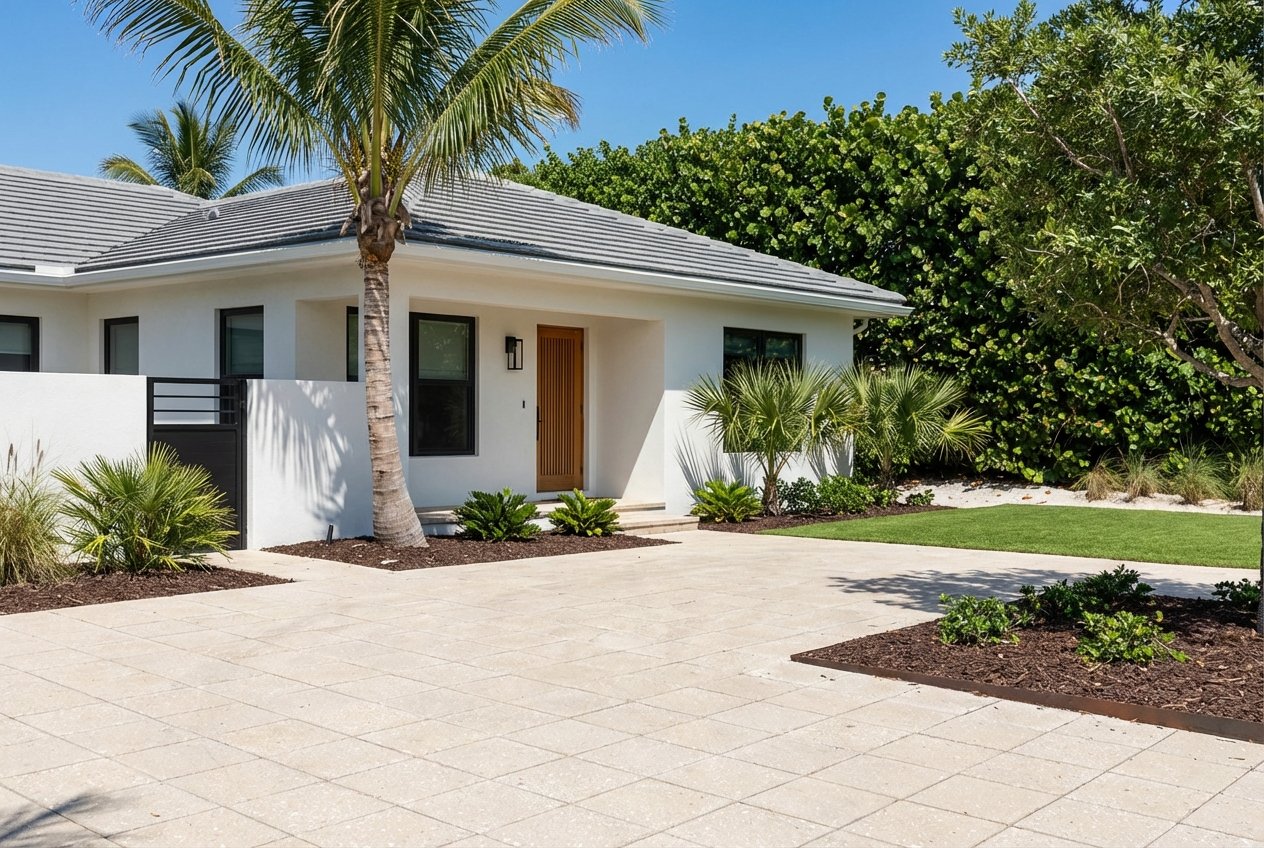
Living in Melbourne Beach: A Real Look at Daily Life
February 19, 2026
February 19, 2026
What if your morning commute was a beach walk and your evening plans were a sunset on the river? If you’re weighing a move to Melbourne Beach, you’re likely dreaming of an easy coastal rhythm and strong community feel. In this guide you’ll get a clear picture of daily life: the beaches, parks, amenities, commute, housing styles, and practical tradeoffs that come with barrier‑island living. Let’s dive in.
Melbourne Beach is a compact, low‑rise town on a barrier island between the Atlantic Ocean and the Indian River Lagoon. The 2020 Census counted about 3,231 residents, which helps explain the close‑knit, small‑town feel and quiet streets you notice right away. You will not find a big commercial strip here, just a small historic core and easy access to both ocean surf and calm river water. That mix shapes how you spend your time and how you run errands.
Start with a sunrise beach walk and coffee in the Ocean Avenue area. Grab brunch with a water view, then choose your adventure: a surf session, a paddle on the lagoon, or a quick mainland run for big‑box shopping. End with a stroll on the town pier to watch the sky turn pink over the river. It’s outdoor‑first living with a peaceful pace, plus the convenience of city amenities a short drive away.
Oceanfront is a daily privilege here. Public access points and dune crossovers make it simple to slip onto the sand for a walk, shell hunt, or surf check. A favorite spot for locals is Val M. Steele Park at Coconut Point, a wide community beach park known for surf breaks, picnics, and frequent sea turtle nesting. You will not find a busy boardwalk lined with high rises, which keeps the shoreline relaxed and low key.
On the west side, the Indian River Lagoon offers calmer water for fishing, kayaking, and paddleboarding. Ryckman Park and the historic wooden pier are town favorites for sunset, dolphin sightings, and easy evening walks. It is a classic Florida scene with breezes off the water and neighbors catching up at day’s end.
Melbourne Beach sits within one of Florida’s most important sea turtle nesting ranges. From May 1 through Oct 31, expect to see nest markers and gentle lighting rules on oceanfront properties. Local volunteer programs often host guided turtle walks in season. The community takes stewardship seriously, which adds a sense of shared purpose to living by the water.
Weekend plans often include the lagoon. Long Point Park, a county campground set on an island in the lagoon, offers shoreline campsites, boat access, and fishing docks right from your site. On land, you will find public golf options like Spessard Holland Golf Course and casual town fields for a quick game. Bikes are common for short hops to the beach or river.
Ocean Avenue is the small, walkable heart of town. It has a handful of restaurants and cafés where you can grab breakfast, relax over lunch, or dress up for a special dinner. Expect friendly service, water views in a few spots, and a pace that invites you to linger.
For day‑to‑day items, the Melbourne Beach Market anchors the neighborhood with groceries, a deli, and wine and beer selections. For bigger shopping runs, hospitals, and large retailers, you will drive across the causeway to mainland Melbourne. Plan on quick trips for basics in town and slightly longer drives for specialty items or major services.
The Ocean Avenue area is easy to navigate on foot or bike, but most residents rely on a car for many errands. Regional bus service exists along A1A and on the mainland, yet the island is not strongly transit oriented. If you like simple, short drives and low traffic streets, you will feel right at home.
The housing mix spans updated beach cottages, mid‑century single‑story homes, low‑rise condos, and newer oceanfront or riverfront rebuilds. Lot sizes are often modest, and proximity to the ocean or river drives value. Waterfront properties command a premium compared with inland areas. Because market data changes quickly, ask for current MLS medians and price ranges by property type before you start touring.
Melbourne Beach is served by Brevard Public Schools. Gemini Elementary is located in town and is a common reference point for families planning daily routines. For middle and high school, families use district maps and transportation options to plan commutes. Always confirm current school assignments and transportation details when you evaluate a specific address.
The quiet of the barrier island pairs with practical mainland access. Downtown Melbourne is roughly 7 to 8 miles away, often a 10 to 20 minute drive depending on traffic and route. The nearest commercial airport is Melbourne Orlando International, which makes regional travel straightforward. Trips to larger employment centers like Viera, Port Canaveral, or Orlando take longer, so use real‑time mapping when you plan a daily commute.
Full‑service hospitals and many specialists are on the mainland in Melbourne, typically a 10 to 20 minute drive from most island addresses. Routine care and urgent care options are also available nearby in mainland corridors. Day‑to‑day services are readily accessible with a short car ride.
Living on a Florida barrier island includes storm planning and insurance due diligence. In stronger systems, barrier‑island residents may be under mandatory evacuation orders. Build a basic storm kit, know your evacuation route, and plan for short utility interruptions during significant weather. When you evaluate a property, check the FEMA flood zone, elevation, wind‑mitigation features, and any past insurance claims. These details can influence both your premiums and your comfort level in storm season.
The Indian River Lagoon is an everyday amenity and a regional conservation priority. It supports fishing, boating, and abundant wildlife, and it has also faced water quality challenges and seagrass loss in recent years. Multi‑agency restoration projects are underway, including seagrass and oyster work, and community members often take pride in local stewardship. If you value living close to nature and being part of its care, you will fit right in.
Choose Melbourne Beach if you want a calm, outdoor‑focused lifestyle where both ocean and river are minutes from your door. Expect a small, friendly commercial core and easy basics in town, with bigger shopping and medical services a short drive away. Plan for hurricane prep, flood‑aware home selection, and insurance details to be part of your buying checklist.
If that balance sounds like your kind of Florida, you will likely love calling this barrier island home.
Whether you are browsing cozy beach cottages or a waterfront retreat, you deserve a local guide who knows the streets, the parks, and the practical details that matter on a barrier island. Reach out to the Whitney Team for a tailored plan, real‑time market insights, and concierge‑level support from search through closing.
Why the buyer broker agreement should come after the conversation, not before it.
A simple seven step plan that helps Melbourne homeowners sell with clarity, confidence, and control.
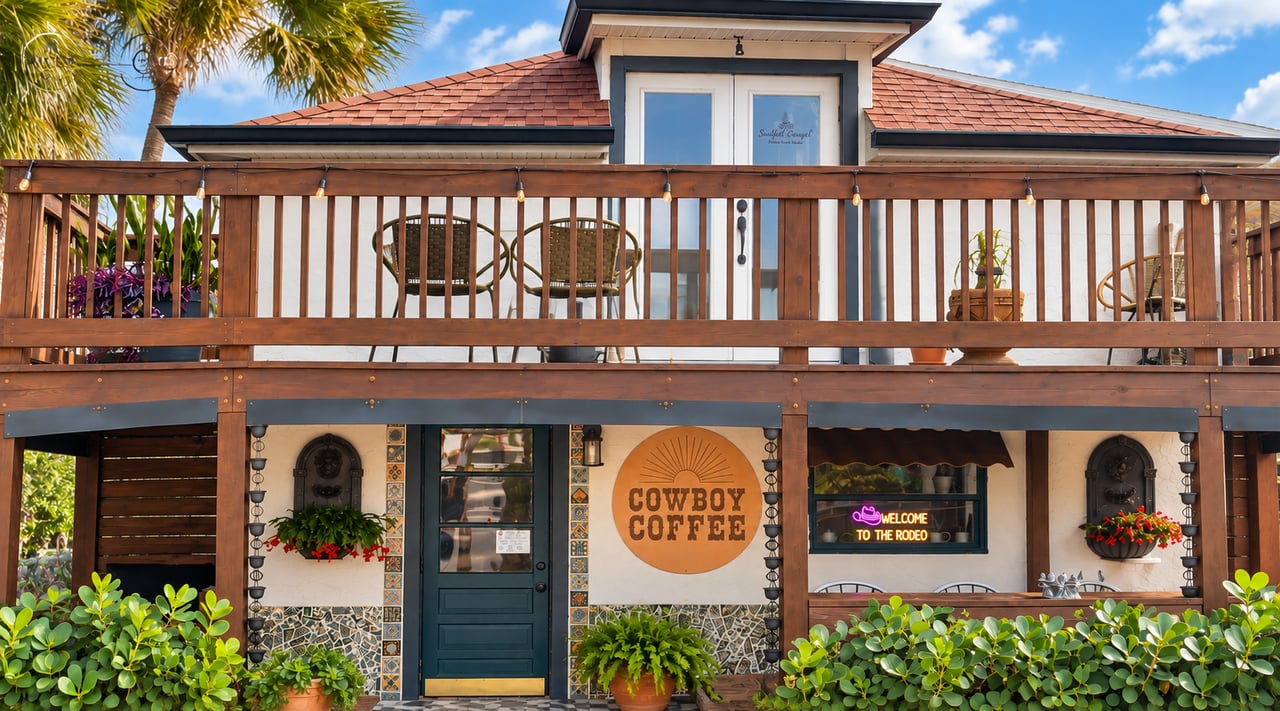
A local Realtor's honest look at daily life living beachside in Indialantic, FL — the walkable coffee scene, the pace, and what it means if you're buying here.

A closing can be ready on every front and still stall on insurance timing. Here's why, and how to plan around it.
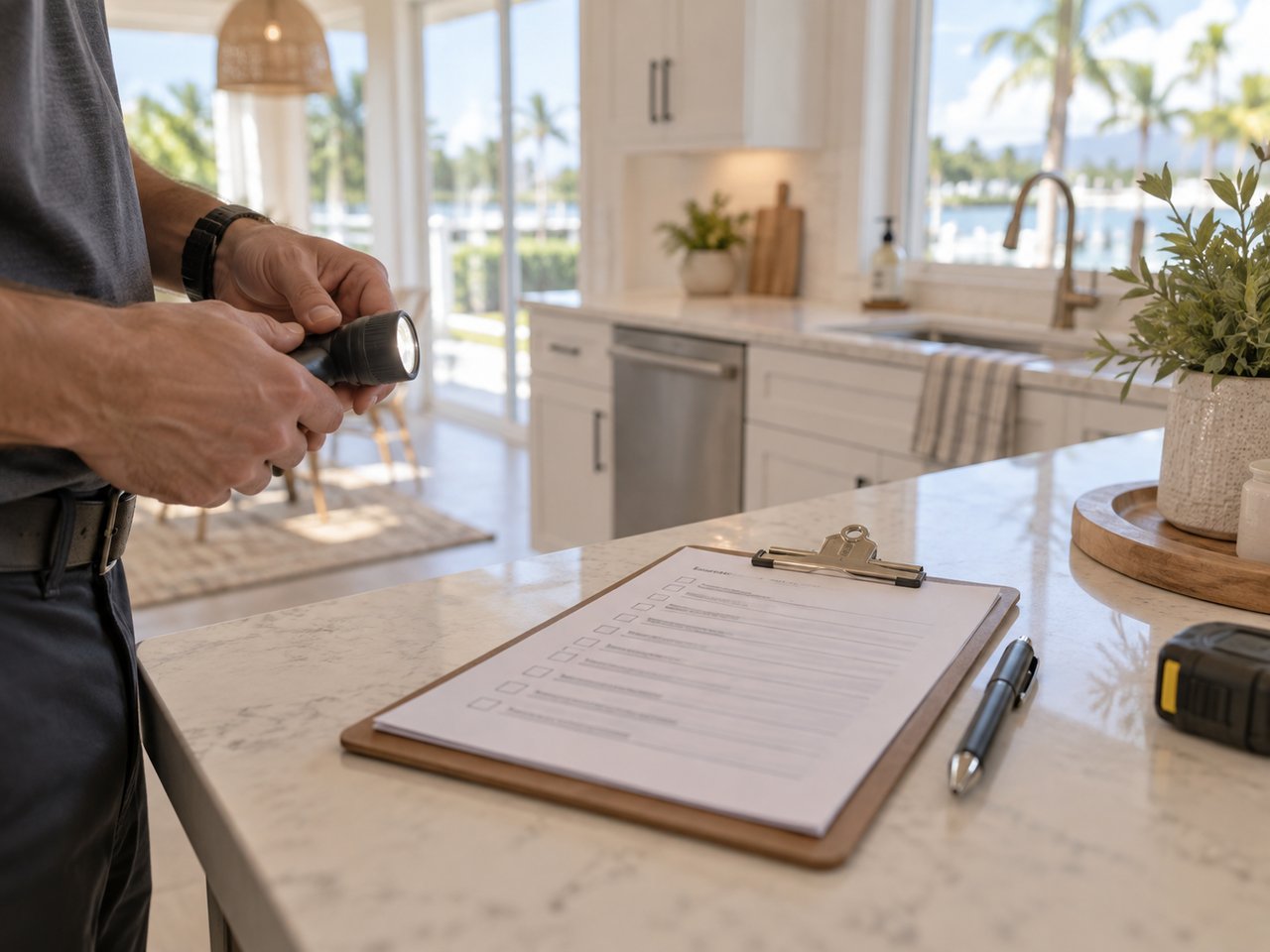
There's no universal answer, so here's how to think through the tradeoff before deciding.
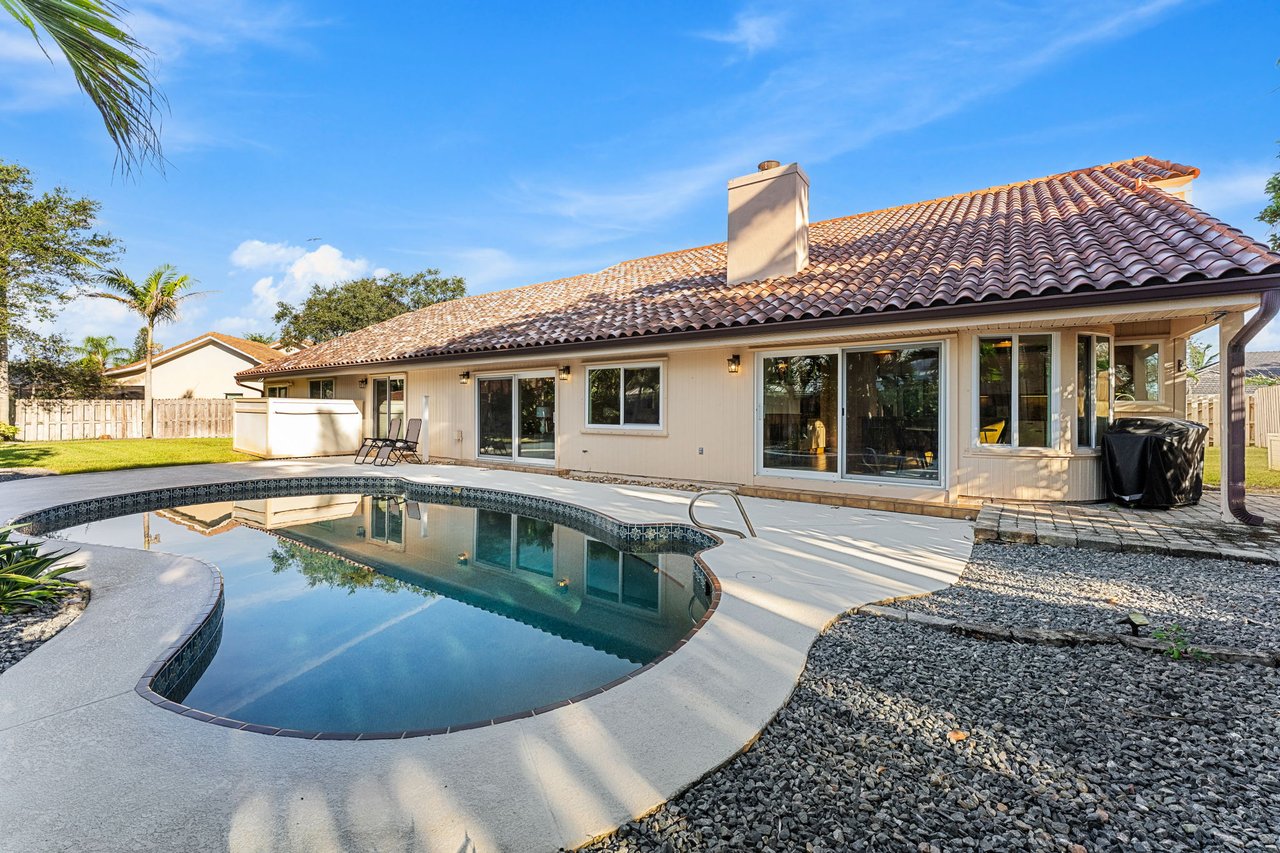
Listings
A 5-bedroom, 3.5-bath pool home in Rio Villa with nearly 3,900 square feet, distinctive architecture, and major improvements already complete.

Real Estate
Median price is a useful statistic, until it's asked to answer a property-specific question it was never designed for.
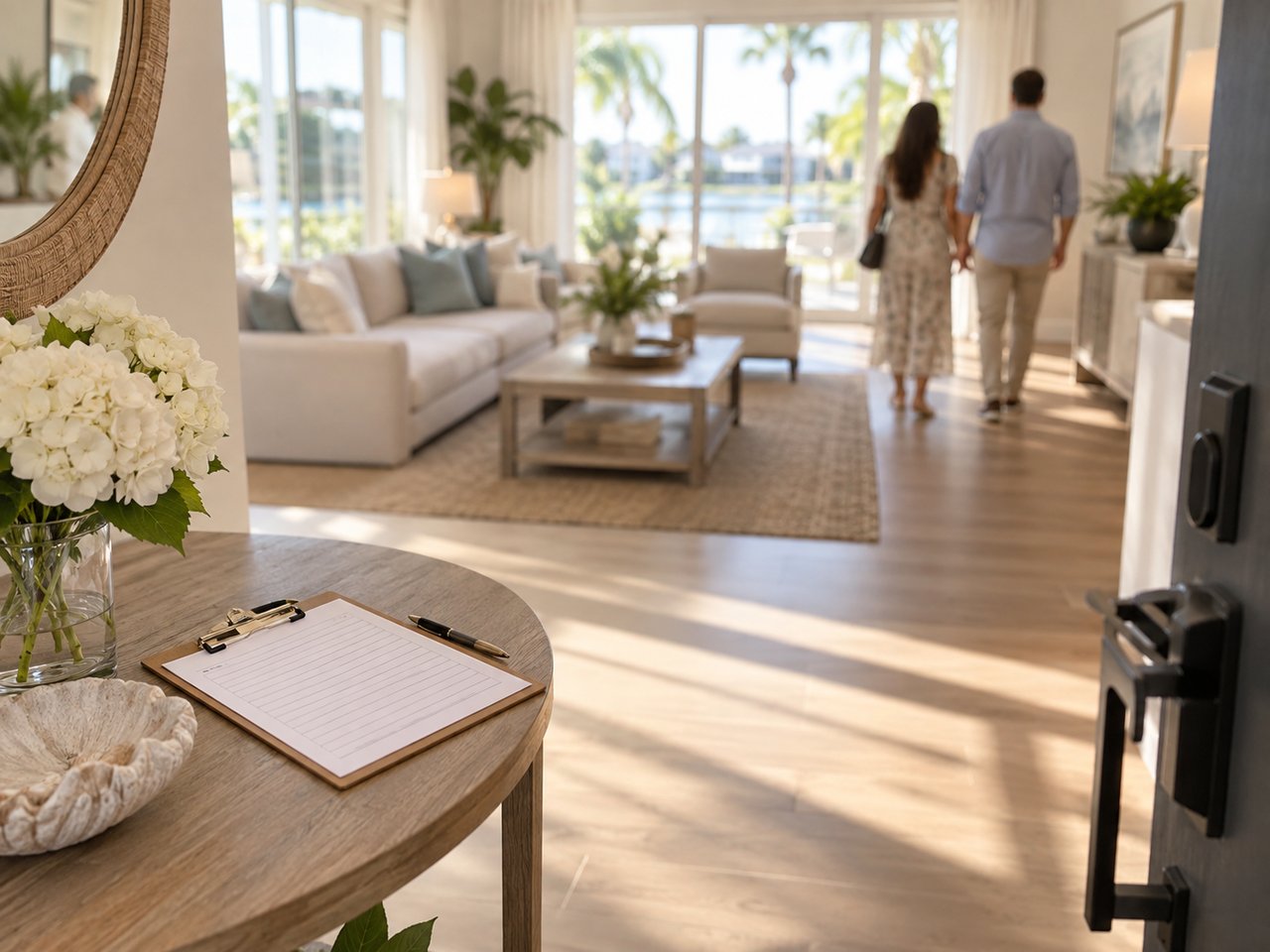
Buyer behavior is evidence of attention, not proof of intent, here's how to read it without overreacting.
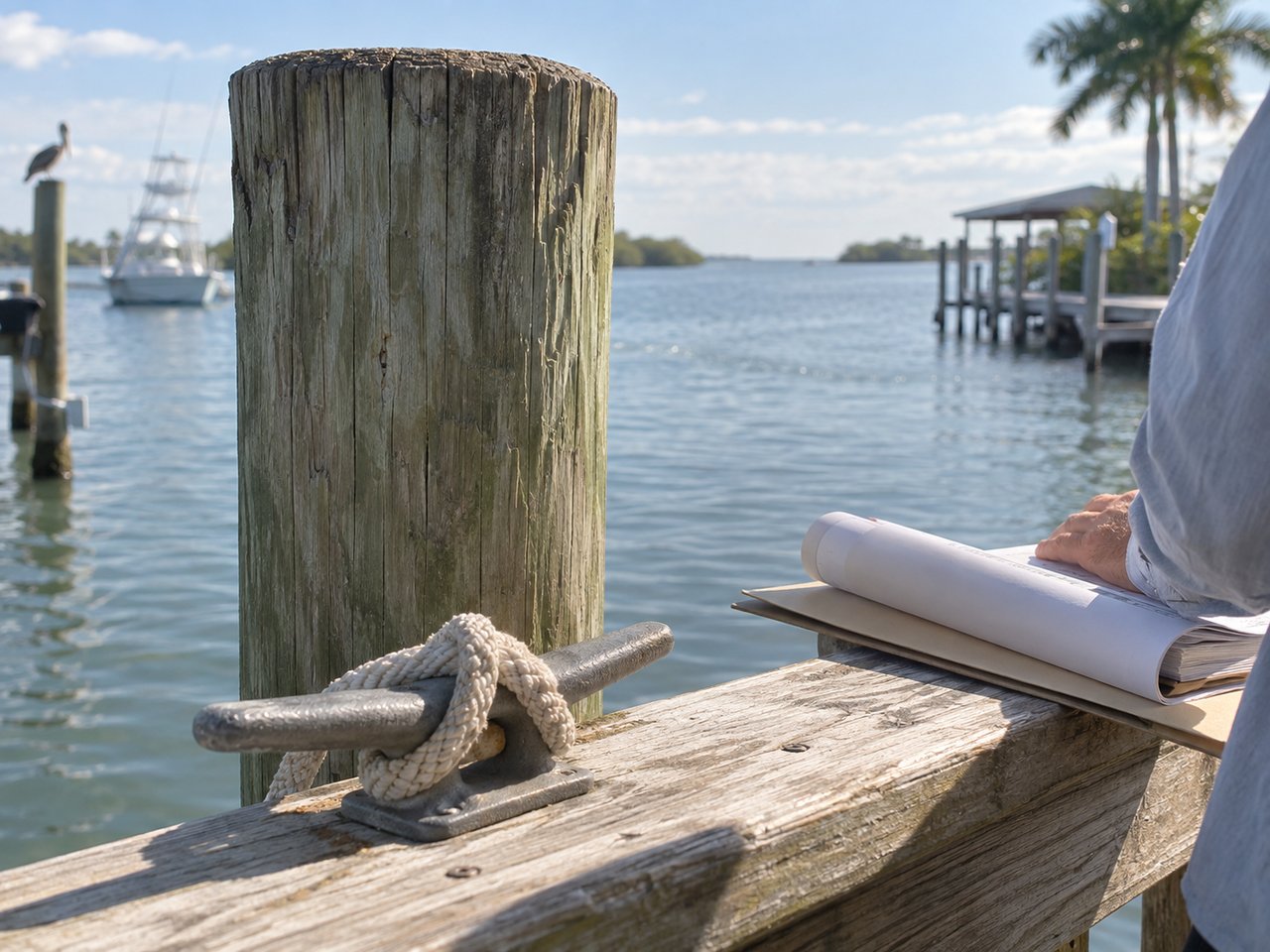
Preparing a waterfront listing means preparing the paperwork behind it, not just the dock and the view.
Get top-notch real estate help from a dedicated team focused on finding your perfect home. They're all about making you happy and ensuring your home-buying journey is smooth and fun. Let them lead you to your dream home hassle-free.

WHITNEY TEAM
719 PINE TREE DR, INDIAN HARBOUR BEACH, FL 32937
