Two Offers on Your Home? Compare What You Keep, Not the Price
Real Estate Lindsey Whitney November 2, 2026
Real Estate Lindsey Whitney November 2, 2026
Why a higher contract price can leave you with less, and how Melbourne sellers weigh offers, credits and repair requests by their net proceeds.
Selling · Melbourne & the Space Coast
Two homes can sell for the exact same contract price and net two completely different amounts for their owners.
When offers come in, the headline number gets all the attention. It is the figure in the contract, the one you tell your family about, the one that feels like the answer.
But picture this. One buyer comes in with a strong number on paper, but asks for significant closing cost assistance. Another buyer comes in a little bit lower, with no concessions attached.
So which one is actually better for you? You can't answer that by comparing contract prices alone. You can only answer it by comparing what your net proceeds actually get you.
Here's the thing about a contract price. It's the top of the ledger, not the bottom line. It's the number a buyer agrees to pay you. It's not the number you get to keep.
Between those two points, there is a series of costs and payoffs that come out before you ever see a wire hit your account. None of them are hidden. They're just not the number everyone talks about.
That's why a lot of sellers end up planning their next move around a figure that was never realistic to begin with. It matters most when you're counting on a specific outcome: a down payment on the next place, paying something off, or knowing what retirement actually looks like on the other side of the sale. Planning against the wrong number creates stress that a little clarity would simply remove.
We walk through the full difference between price and proceeds in Your Sale Price Is Not Your Payday. This post focuses on where that difference matters most: the moment you're holding an offer.
Plain English
Sale priceWhat a buyer agrees to pay.
Net proceedsWhat you actually keep after everything on the closing statement is paid.
Every transaction is a little different, but most closing statements include the same categories:
None of that is a surprise to anybody who works closing statements every day. It's a surprise to sellers who haven't sold a home in twenty years and didn't know what their net proceeds were going to look like on closing day.
Two homes can sell for the exact same contract price and net two completely different amounts. It comes down to three things: what the loan balance is on one versus the other, what was negotiated in the terms, and how the offer was structured.
The first one is yours before you ever list. The other two get decided at the negotiating table, which is why the way you compare offers matters so much.
Offer A
A strong number on paper, with a request for significant closing cost assistance.
Offer B
A little bit lower, with no concessions attached.
The better offer is the one that leaves you with more, not the one with the bigger headline number.
Holding Two Offers?
Lindsey and Harvey Whitney can run the net on each one with you, line by line, before you respond.
The offer is only the first number. When a buyer comes back and asks for a credit, an extended closing or a repair allowance, that request has a real cost attached to it.
If your numbers are already mapped out, you can evaluate that request immediately, instead of feeling pressured to say yes just to get the deal done. And if there's a specific number you need to hit at closing, you can work backwards from it and know exactly how much room you have before a deal stops making sense.
When a seller doesn't know their numbers, the alternative is blind decisions or hesitation in the contract. Both can cost you more than the concession itself.
"Sellers who understand the difference before they list are negotiating from clarity instead of guesswork."
Lindsey Whitney, Whitney Team Advisors
You don't need a finished closing statement to plan intelligently. A rough version gets you most of the way there. Start with three pieces:
This is a good one to build with a second set of eyes, because it's easy to forget a line item you've simply never seen before. For quick math off the top of your head, some sellers start with seven to eight percent of the sale price [VERIFY: 7 to 8% in this video vs 7 to 9% in the Cost to Sell video], and there is also software that will run it for you. Either way, a real estimate built on your own loan and your own terms is the one to plan around.
The sale price is the number a buyer agrees to pay you in the contract. Net proceeds are what you actually keep after your mortgage payoff, broker compensation, title and closing costs, Florida documentary stamp tax, prorations and any negotiated credits come out at closing.
Not necessarily. A higher offer that asks for significant closing cost assistance can leave you with less than a slightly lower offer with no concessions. Compare offers by the net each one leaves you, not by the contract price alone.
Most closing statements include the mortgage payoff and anything else recorded against the property, broker compensation from your listing agreement, title and closing costs, Florida's documentary stamp tax on the deed, prorated property taxes and HOA dues, and any repair credits negotiated in the contract. Every transaction is a little different.
Treat it as a cost. If you already know your numbers, you can see right away what the request does to your net and how much room you have, instead of agreeing under pressure or hesitating in a way that costs more than the concession.
Gather your loan payoff, an honest estimate of closing costs with prorated taxes, and the terms of your listing agreement. A second set of eyes helps catch line items you haven't seen before.
The Short Version
Before You Sign Anything
Thinking about selling in Melbourne or the surrounding Space Coast communities? Sit down with Lindsey and Harvey Whitney and run your actual numbers before you make any decisions.
We'll map your net proceeds and run scenarios for the offers you might see, so every decision starts from a real number.

About the Author
Lindsey Whitney
Whitney Team Advisors · Compass | Carpenter Kessel
Lindsey Whitney is the founder of Whitney Team Advisors. Ranked among the top 1% of Realtors® in Brevard County and licensed since 2014, Lindsey has guided hundreds of Space Coast homeowners through strategic home sales, with a focus on protecting equity in higher-priced, waterfront, and complex transactions. Working with her husband, Harvey, who brings hands-on investor and renovation experience that helps sellers spend wisely on the updates that actually return value at closing. Together, they give Melbourne and Space Coast homeowners calm, data-driven guidance earned across the market's most demanding sales.
Real Estate
Why a higher contract price can leave you with less, and how Melbourne sellers weigh offers, credits and repair requests by their net proceeds.

Why the buyer broker agreement should come after the conversation, not before it.

A simple seven step plan that helps Melbourne homeowners sell with clarity, confidence, and control.
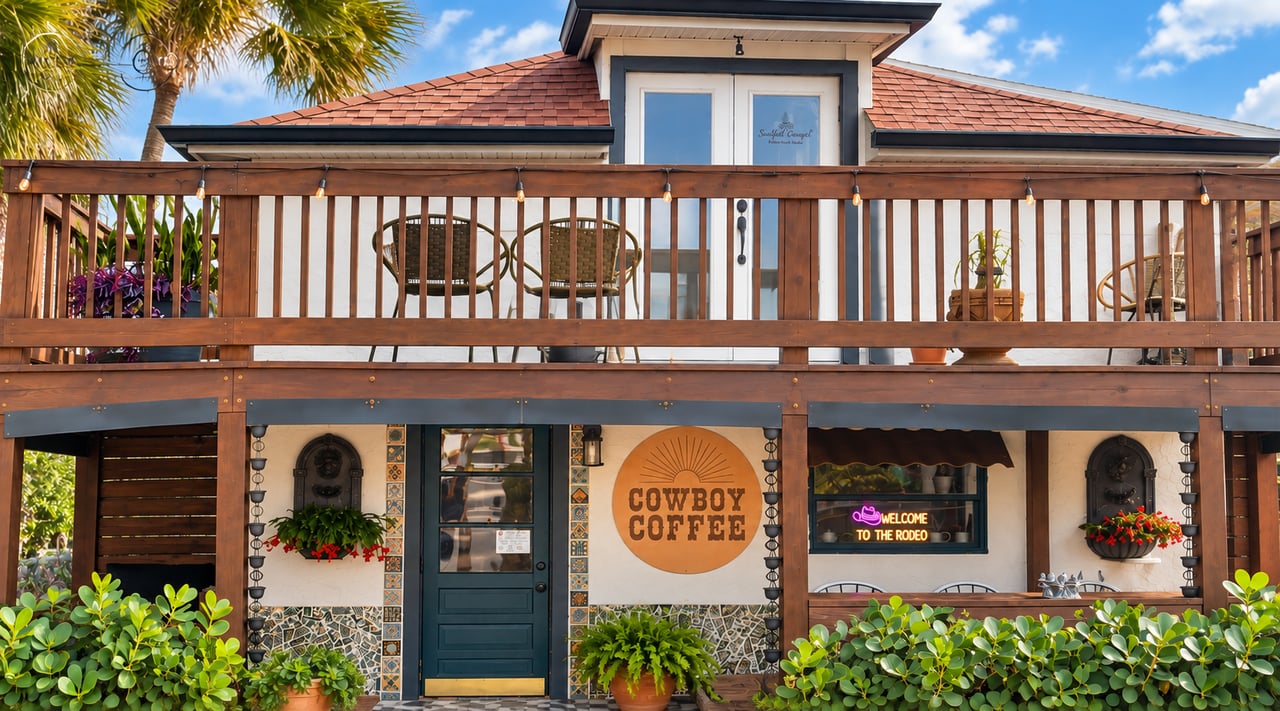
A local Realtor's honest look at daily life living beachside in Indialantic, FL — the walkable coffee scene, the pace, and what it means if you're buying here.

A closing can be ready on every front and still stall on insurance timing. Here's why, and how to plan around it.
There's no universal answer, so here's how to think through the tradeoff before deciding.
Listings
A 5-bedroom, 3.5-bath pool home in Rio Villa with nearly 3,900 square feet, distinctive architecture, and major improvements already complete.

Real Estate
Median price is a useful statistic, until it's asked to answer a property-specific question it was never designed for.

Buyer behavior is evidence of attention, not proof of intent, here's how to read it without overreacting.
Get top-notch real estate help from a dedicated team focused on finding your perfect home. They're all about making you happy and ensuring your home-buying journey is smooth and fun. Let them lead you to your dream home hassle-free.
WHITNEY TEAM
719 PINE TREE DR, INDIAN HARBOUR BEACH, FL 32937
