
Three Numbers That Matter More Than Median Price
Real Estate Lindsey Whitney September 30, 2026
Real Estate Lindsey Whitney September 30, 2026
Market Data, Interpreted · Space Coast, Florida
At a barbecue, poolside with friends or in a headline about the housing market, median home price gets repeated constantly.
There is a reason for that. Median price is a legitimate and useful housing statistic. It tells us the midpoint of the homes that sold in a defined market and period: half sold above that number and half below it.
The problem is not the statistic.
The problem is using a broad median price to answer a property-specific question it was never designed to answer.
A Brevard County median, Melbourne median or even ZIP-code median can be useful for tracking a market over time. It becomes far more valuable to a seller when we narrow the data to the segment that actually competes with the home.
Suppose one month produces an unusually large number of high-priced waterfront closings. The median sale price can rise even if an individual inland home did not appreciate by the same percentage.
The reverse can happen if the sales mix shifts toward lower-priced properties.
That is why I use median price as part of market analysis—not as a shortcut for saying, "The median went up 5%, so your house is worth 5% more."
For a pricing strategy, I want to know the median within the relevant segment and then pair it with other measures of buyer response.
Days on market measures how long a listing is exposed before the relevant status change under the data source's methodology. MLS definitions can differ, so the metric should be used consistently.
For a seller, the useful comparison is not simply "average days on market in Melbourne." It is the market time for homes that genuinely compete with the property: similar location, price range, property type, size and condition.
If comparable homes are consistently securing contracts more quickly than the subject property, that is information worth investigating. If an entire segment is taking longer, the seller should not interpret a longer marketing period as though it is unique to one house.
This ratio compares sale price with the relevant list price used by the data source—often final list price, although definitions should always be checked.
A ratio near 100% tells us that, in aggregate, sale prices are close to the list prices being measured. It does not prove that sellers originally priced accurately, because a home may have reduced its price before selling. It also does not tell us how much a buyer received in concessions, because seller-paid costs can be separate from the recorded sale price.
That nuance matters.
If I am evaluating pricing strategy, I often want to look at both original-list-to-sale and final-list-to-sale relationships when the data are available, along with price reductions and concessions.
Months of supply estimates how long current inventory would take to sell at the current sales pace if no new inventory were added.
It is a useful measure of the balance between available homes and transaction pace, but I would not call it a perfect single definition of a "buyer's market" or "seller's market." Thresholds vary by source, market and era.
What matters for a seller is comparison.
A price segment with two months of supply is operating in a different competitive environment from a segment with eight months, even if both properties share the same ZIP code.
This is where median price becomes valuable again.
Imagine the broad Melbourne market has a particular median sale price. That is useful context. But if we are pricing a renovated waterfront home, I want to narrow the analysis to waterfront sales that buyers would reasonably compare. If we are pricing a 2,200-square-foot home in a specific Viera community, I want the relevant neighborhood, size, age, condition and price band.
Then median sale price can become one of several meaningful benchmarks instead of a headline number detached from the property.
The same is true for days on market, list-to-sale ratio and months of supply.
A statistic becomes more useful as the population behind it becomes more relevant to the decision—provided we still have enough transactions to make the sample meaningful.
There is a limit.
If we filter so aggressively that only two homes remain, a "median" is mathematically calculable but may not be a stable market indicator.
That is where professional judgment matters. Sometimes we expand the time period. Sometimes we widen the geography. Sometimes we include a neighboring community or similar property type and make adjustments rather than pretending a tiny sample is conclusive.
Data-driven pricing does not mean using the smallest possible dataset. It means using the most relevant defensible dataset.
Median sale price is not a useless statistic. Broad median price is often a poor shortcut for an individual home's value.
For a listing strategy, I want to know the relevant median price and put it beside days on market, list-to-sale relationships, months of supply, current competition, pending activity, condition and the actual characteristics of the property.
The question is never simply, "What is the median?"
It is, "Median of what—and how closely does that market resemble this home?"
If you want to see what those numbers look like for your property, Whitney Team Advisors can pull the market segment that actually matters instead of relying on a citywide headline.
Data & Methodology Note
Median sale price describes the midpoint of transactions in a defined dataset and can be influenced by changes in the composition of homes sold. Days-on-market and list-to-sale definitions can vary by MLS/data provider. Months of supply should be interpreted within the relevant market segment rather than treated as a universal buyer/seller-market threshold.
Wondering What Your Home Is Really Worth?
Let's pull the market segment that actually matters instead of relying on a citywide headline.
A no-pressure conversation about pricing data on the Space Coast.

About the Author
Lindsey Whitney | Whitney Team Advisors
Lindsey Whitney is the founder of Whitney Team Advisors at Compass, serving homeowners throughout Melbourne, Lake Washington, Suntree, Viera, Indialantic, Satellite Beach, and the greater Space Coast. She specializes in strategic pricing, positioning, and negotiation for sellers in complex and higher-value transactions.
[www.whitneyteamadvisors.com](https://www.whitneyteamadvisors.com)

Why the buyer broker agreement should come after the conversation, not before it.

A simple seven step plan that helps Melbourne homeowners sell with clarity, confidence, and control.

A local Realtor's honest look at daily life living beachside in Indialantic, FL — the walkable coffee scene, the pace, and what it means if you're buying here.

A closing can be ready on every front and still stall on insurance timing. Here's why, and how to plan around it.
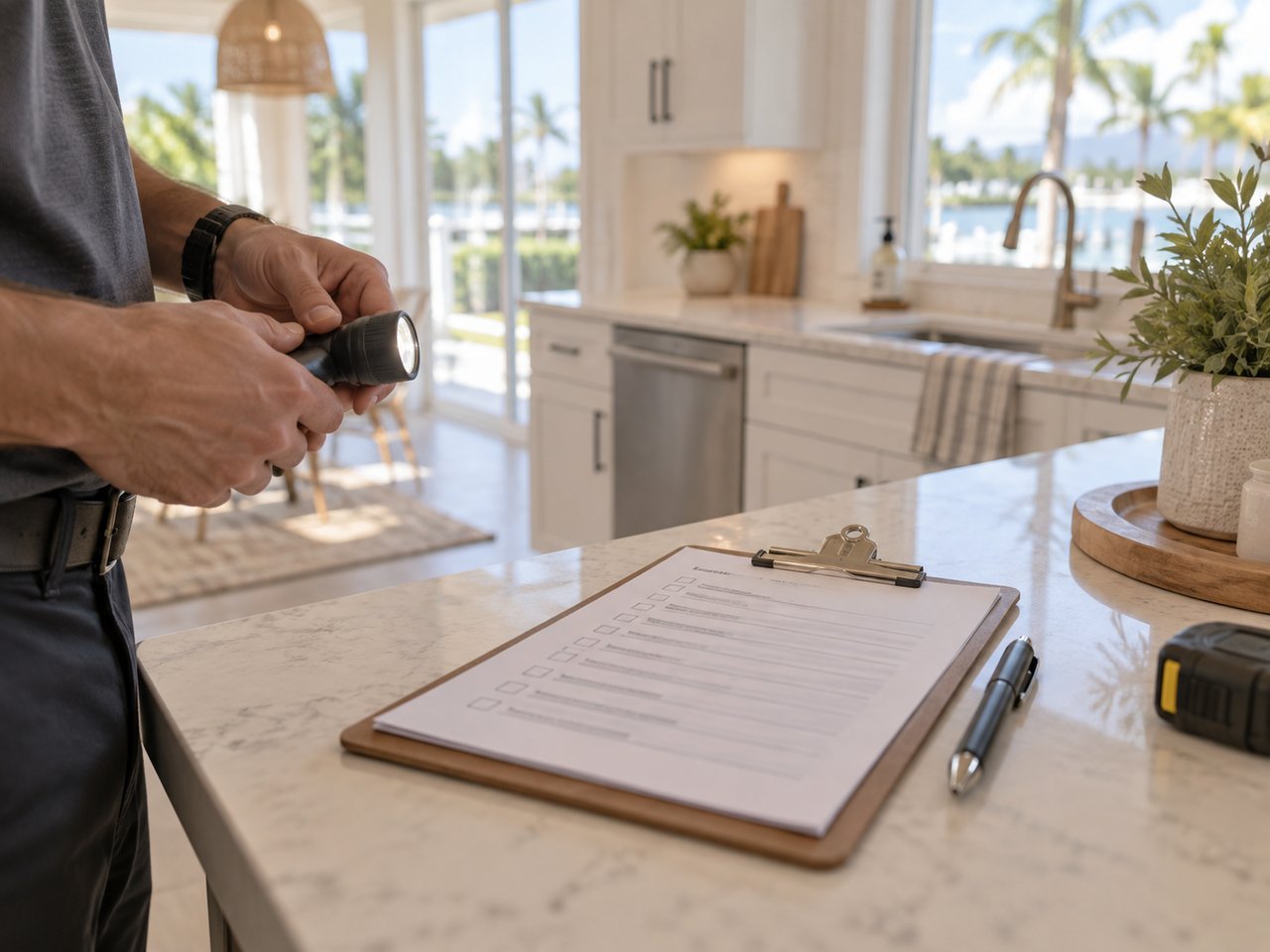
There's no universal answer, so here's how to think through the tradeoff before deciding.
Listings
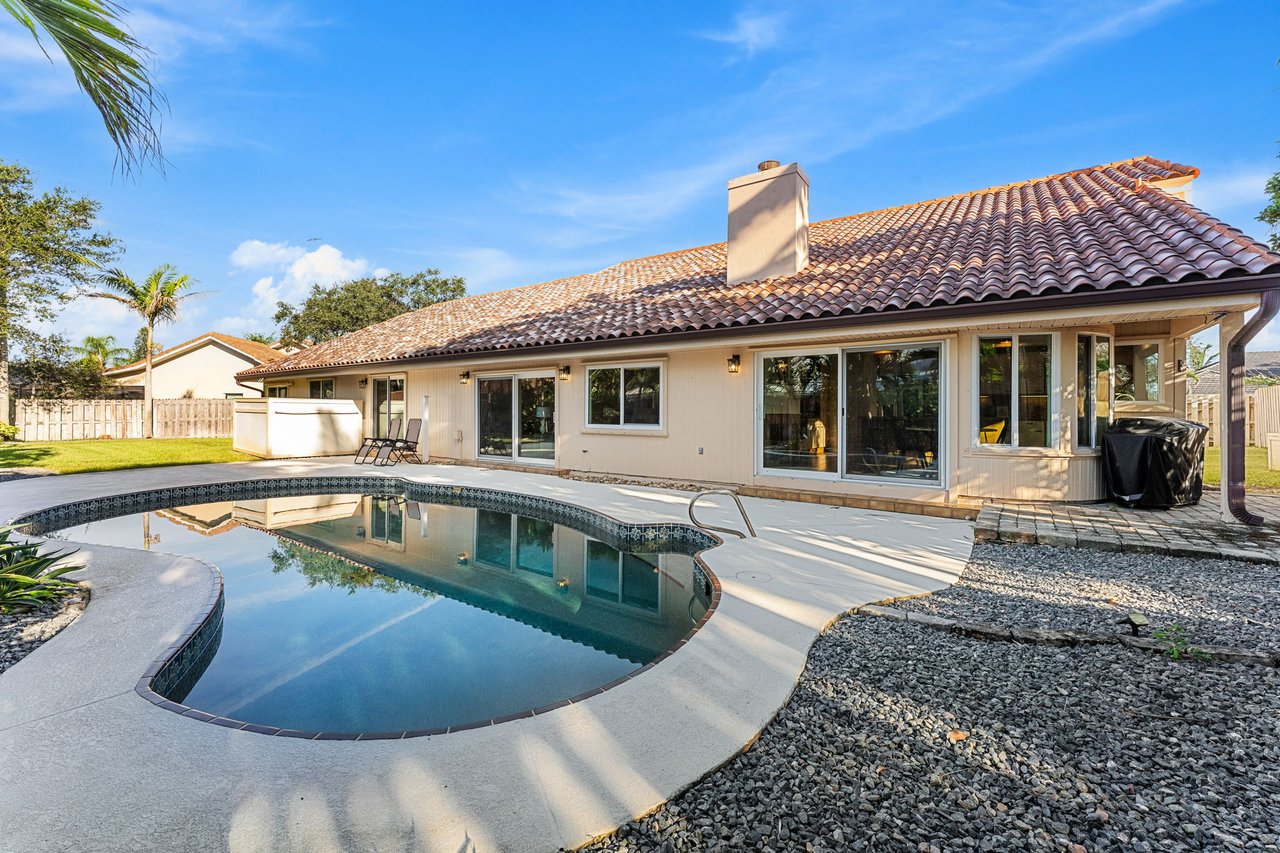
A 5-bedroom, 3.5-bath pool home in Rio Villa with nearly 3,900 square feet, distinctive architecture, and major improvements already complete.
Real Estate
Median price is a useful statistic, until it's asked to answer a property-specific question it was never designed for.

Buyer behavior is evidence of attention, not proof of intent, here's how to read it without overreacting.

Preparing a waterfront listing means preparing the paperwork behind it, not just the dock and the view.
Get top-notch real estate help from a dedicated team focused on finding your perfect home. They're all about making you happy and ensuring your home-buying journey is smooth and fun. Let them lead you to your dream home hassle-free.

WHITNEY TEAM
719 PINE TREE DR, INDIAN HARBOUR BEACH, FL 32937
