
The Signals Buyers Send Before They Make an Offer
Lindsey Whitney September 28, 2026
Lindsey Whitney September 28, 2026
Negotiation & Buyer Behavior · Space Coast, Florida
Sellers naturally want to know what a buyer is thinking after a showing.
Did they like it? Are they coming back? Are they writing? Did that question mean something?
There is no reliable formula that turns one buyer behavior into a guaranteed offer. But there are observable actions that tell us a buyer is spending more time evaluating the property—and those actions can help a seller respond strategically without pretending we can read the buyer's mind.
A return visit is useful information because the buyer has chosen to spend additional time at the property.
That does not prove an offer is coming. Buyers return for many reasons: to compare two finalists, bring a spouse or family member, reconsider room dimensions, look at the property in different light or simply answer questions they did not resolve on the first visit.
The important point is not to overinterpret it.
A second showing is a reason to make access easy and present the home consistently. It is not a reason to assume the buyer is emotionally committed or change negotiating strategy before an offer exists.
Questions about surveys, lot lines, easements, fence placement, boat access, room dimensions, parking, school logistics or HOA restrictions can tell us what the buyer is evaluating.
They do not necessarily tell us how close the buyer is to writing an offer.
This is where documentation becomes useful. If the seller has a prior survey, HOA documents, permits or other records that can appropriately be shared, providing verified information is more valuable than speculating about what the buyer's question "means."
When a buyer asks for utility history, HOA fees, insurance information or maintenance records, the buyer is trying to understand the cost or operation of the property.
Again, that is meaningful due diligence, but it is not a promise of an offer.
For sellers, the strategy is preparation: have accurate records ready when they exist, distinguish the seller's historical cost from what a future owner may pay, and avoid representing an old bill or insurance premium as a guaranteed future expense.
Ownership history can also help explain what a seller is able to answer.
A seller who has owned a property for 20 years may have firsthand knowledge of renovations, repairs and maintenance that occurred during that period. The same seller may know very little about a pool, addition, dock or roof that existed before they purchased.
A newer owner may have excellent records from a recent renovation—or may have inherited almost no documentation from the prior owner.
Length of ownership is typically a good indicator of where to start asking questions. It is not reliable evidence for making assumptions about what was permitted, when an improvement was completed or what condition it is in.
Time at the property gives us context. It does not give us verification.
I would not include inspector or contractor calls as a normal pre-offer indicator.
In the typical transaction, formal inspections and many specialist evaluations occur after the property is under contract, during the buyer's contractual due-diligence period. That is a different stage of the transaction.
Before an offer, the cleaner indicators are the buyer's own behavior: repeat visits, increasingly specific questions, requests for property records and questions about the practical cost or use of the home.
The objective is not to decode every action. It is to avoid letting excitement change the seller's strategy before the buyer has actually put terms on paper.
Once an offer arrives, we stop interpreting signals and start evaluating actual terms.
That is when price, financing, deposits, contingencies, inspection provisions, closing date, concessions and other contractual details matter.
Buyers can show increasing engagement before they write an offer, but buyer behavior is evidence of attention—not proof of intent.
A second showing means the buyer chose to come back. Detailed questions tell us what the buyer is evaluating. Requests for records tell us what information matters to the decision.
Use those signals to be responsive and prepared. Do not use them to invent certainty that does not exist.
If you are selling on the Space Coast, Whitney Team Advisors can help interpret the actual feedback around your listing while keeping pricing and negotiation decisions tied to evidence rather than emotion.
Source Note
This article intentionally distinguishes observable buyer behavior from unsupported claims about buyer psychology. Formal inspection activity is treated as post-contract due diligence rather than a standard pre-offer signal.
Reading the Room After a Showing?
Let's keep your pricing and negotiation decisions tied to evidence, not guesswork about what a buyer's question "means."
A no-pressure conversation about interpreting buyer feedback on the Space Coast.

About the Author
Lindsey Whitney | Whitney Team Advisors
Lindsey Whitney is the founder of Whitney Team Advisors at Compass, serving homeowners throughout Melbourne, Lake Washington, Suntree, Viera, Indialantic, Satellite Beach, and the greater Space Coast. She specializes in strategic pricing, positioning, and negotiation for sellers in complex and higher-value transactions.
[www.whitneyteamadvisors.com](https://www.whitneyteamadvisors.com)

Why the buyer broker agreement should come after the conversation, not before it.

A simple seven step plan that helps Melbourne homeowners sell with clarity, confidence, and control.

A local Realtor's honest look at daily life living beachside in Indialantic, FL — the walkable coffee scene, the pace, and what it means if you're buying here.

A closing can be ready on every front and still stall on insurance timing. Here's why, and how to plan around it.
There's no universal answer, so here's how to think through the tradeoff before deciding.
Listings
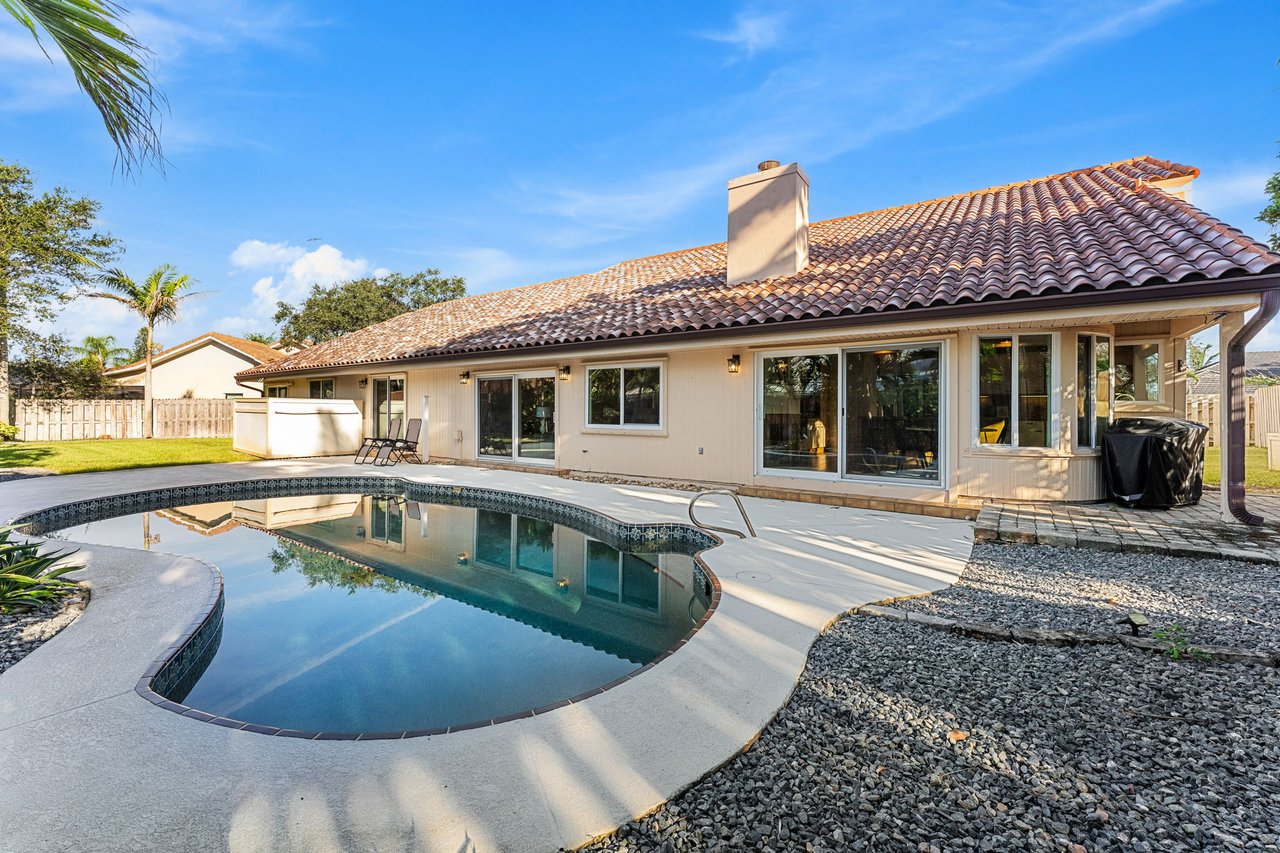
A 5-bedroom, 3.5-bath pool home in Rio Villa with nearly 3,900 square feet, distinctive architecture, and major improvements already complete.

Real Estate
Median price is a useful statistic, until it's asked to answer a property-specific question it was never designed for.
Buyer behavior is evidence of attention, not proof of intent, here's how to read it without overreacting.

Preparing a waterfront listing means preparing the paperwork behind it, not just the dock and the view.
Get top-notch real estate help from a dedicated team focused on finding your perfect home. They're all about making you happy and ensuring your home-buying journey is smooth and fun. Let them lead you to your dream home hassle-free.

WHITNEY TEAM
719 PINE TREE DR, INDIAN HARBOUR BEACH, FL 32937
