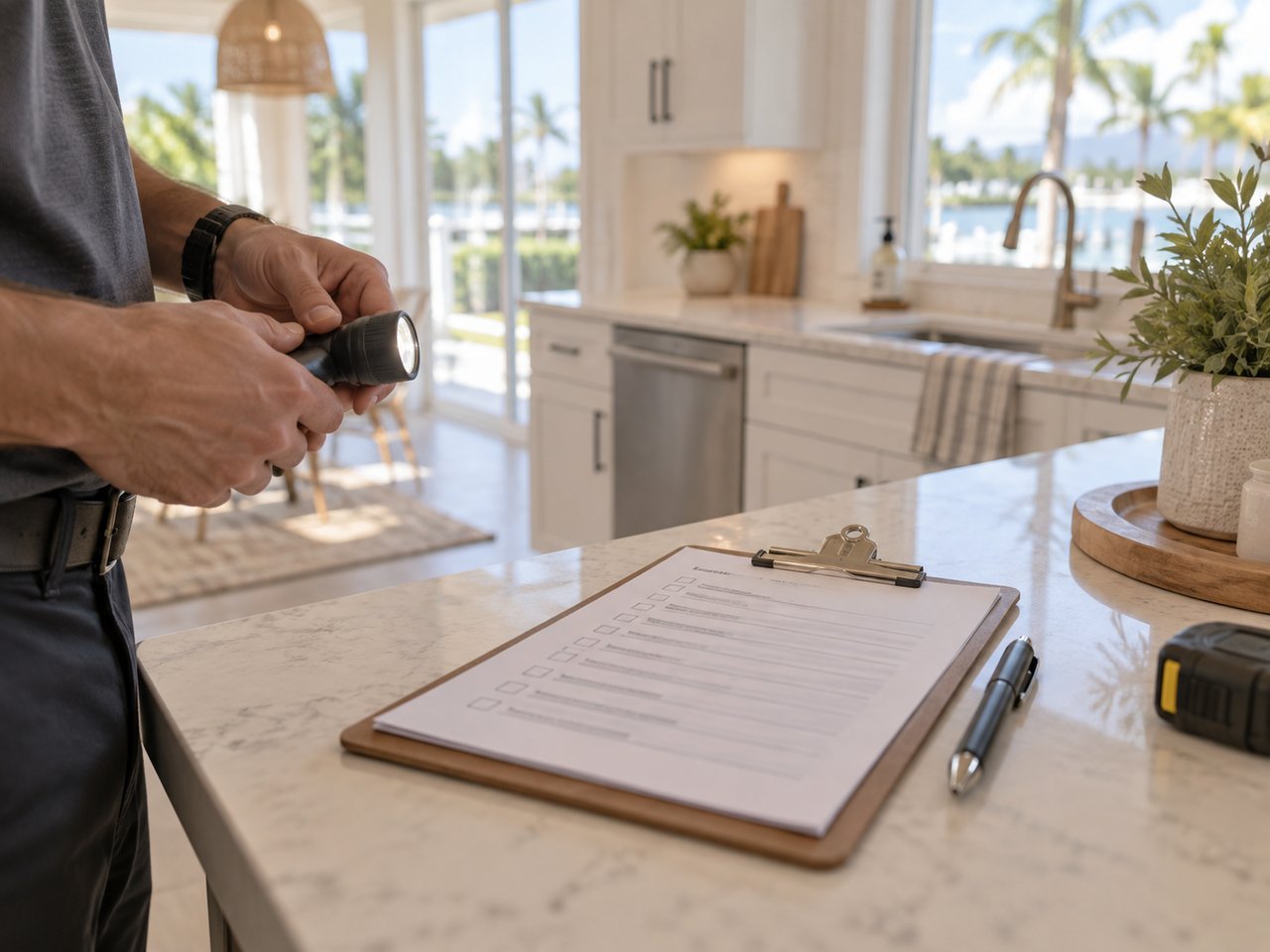
The Pre-Listing Inspection Debate: Both Sides, Honestly
Lindsey Whitney October 2, 2026
Lindsey Whitney October 2, 2026
Pre-Market Preparation · Florida
Should a seller inspect their own home before putting it on the market?
There is no universal answer.
A pre-listing inspection can give a seller information early enough to make deliberate decisions. It can also create a written record of conditions the seller did not previously know about. Whether that tradeoff is worthwhile depends on the property, the seller's timeline and the reason for ordering the inspection.
A pre-listing inspection is an inspection ordered by the seller before the property goes on the market, rather than waiting for a buyer to conduct whatever inspections are permitted under the eventual contract.
It is optional in Florida. It also does not replace the buyer's right to conduct inspections when the contract provides for them.
The Case For
The strongest argument is timing. If an inspection identifies a roof concern, electrical issue, plumbing problem, moisture condition or other material item before the listing launches, the seller has time to gather additional information and decide what to do next. The value is that the seller learns information before a contractual inspection clock is running.
The Case Against
The inspection can reveal information the seller did not previously know. Florida's Johnson v. Davis framework generally concerns facts materially affecting the value of residential property that are not readily observable and are known to the seller. Whether a particular condition meets that legal standard is a legal question, not something a blog or real estate agent should decide for a seller.
Depending on the issue, having advance information may mean obtaining a specialist's opinion, repairing it, adjusting the property preparation plan, considering how it affects pricing or discussing disclosure obligations with appropriate counsel.
The value is not that the seller can guarantee a "clean" buyer inspection later. Different inspectors can identify and describe conditions differently.
That can be particularly useful when the seller already suspects a problem, the home has complex renovation history, or the seller has a tight transaction timeline and wants to reduce avoidable unknowns.
So the accurate caution is this: ordering an inspection can create knowledge the seller did not have before. That knowledge may affect the seller's disclosure obligations depending on the nature of the condition. That is more precise than saying, "Once you know something, you have to disclose it." Not every minor item in an inspection report automatically becomes a legally material defect.
Inspection reports are written by individual professionals using their own observations, terminology and risk tolerance. One inspector may recommend monitoring an item while another recommends specialist evaluation.
That does not make the report bad or inaccurate. It means a seller should understand what they are ordering and what they plan to do with the information.
If the purpose is to investigate one known concern, a targeted evaluation by the appropriate specialist may sometimes be more useful than ordering a whole-home inspection. In other situations, the broader inspection is exactly what the seller wants.
I would start with four questions.
None of those answers automatically dictates the decision.
There is an important distinction here.
A seller should not avoid investigating a known or suspected serious problem simply because they are worried that learning more could create a disclosure issue. If there is a real concern, accurate information is usually more useful than strategic ignorance.
At the same time, I would not recommend a pre-listing inspection to every seller as a routine marketing checkbox.
The decision should solve a real problem or answer a real question.
Florida disclosure obligations carry legal consequences. Questions about whether a specific condition must be disclosed should be addressed with a Florida real estate attorney when appropriate.
A real estate advisor can help a seller think through the transaction strategy. Legal counsel should answer the legal question.
A pre-listing inspection is neither automatically smart nor automatically risky.
Its advantage is information and timing. Its tradeoff is that information can create new decisions and, depending on the condition, potential disclosure obligations.
The right question is not, "Do good sellers get a pre-listing inspection?"
It is, "What are we trying to learn, and will learning it before listing improve our ability to make a better decision?"
If you are weighing a pre-listing inspection for a Space Coast home, Whitney Team Advisors can help you evaluate the real estate strategy and identify when the question should move to an inspector, specialist or Florida real estate attorney.
Data & Legal Sources
Weighing a Pre-Listing Inspection?
Let's talk through the strategy for your property, and when the question needs to move to an inspector, specialist or attorney.
A no-pressure conversation about pre-listing strategy on the Space Coast.

About the Author
Lindsey Whitney | Whitney Team Advisors
Lindsey Whitney is the founder of Whitney Team Advisors at Compass, serving homeowners throughout Melbourne, Lake Washington, Suntree, Viera, Indialantic, Satellite Beach, and the greater Space Coast. She specializes in strategic pricing, positioning, and negotiation for sellers in complex and higher-value transactions.

A local Realtor's honest look at daily life living beachside in Indialantic, FL — the walkable coffee scene, the pace, and what it means if you're buying here.

A closing can be ready on every front and still stall on insurance timing. Here's why, and how to plan around it.
There's no universal answer, so here's how to think through the tradeoff before deciding.
Listings
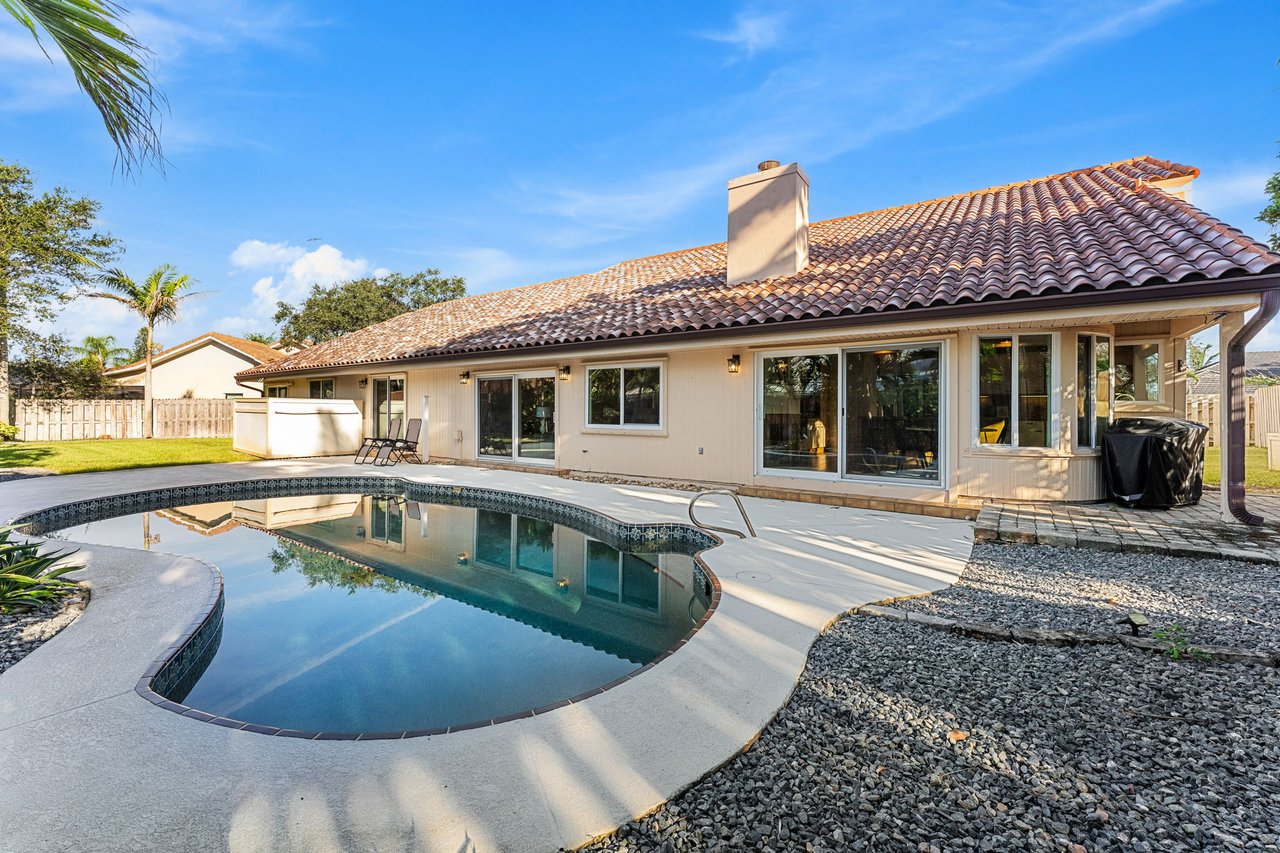
A 5-bedroom, 3.5-bath pool home in Rio Villa with nearly 3,900 square feet, distinctive architecture, and major improvements already complete.

Real Estate
Median price is a useful statistic, until it's asked to answer a property-specific question it was never designed for.

Buyer behavior is evidence of attention, not proof of intent, here's how to read it without overreacting.

Preparing a waterfront listing means preparing the paperwork behind it, not just the dock and the view.
The data doesn't justify a 10-day rule, but it does justify paying close attention to the opening weeks.

Separating real evacuation, flood, and maintenance facts from assumptions about beachside ownership.
Get top-notch real estate help from a dedicated team focused on finding your perfect home. They're all about making you happy and ensuring your home-buying journey is smooth and fun. Let them lead you to your dream home hassle-free.

WHITNEY TEAM
719 PINE TREE DR, INDIAN HARBOUR BEACH, FL 32937
