
Insurance Binding Suspensions: The Florida Closing Issue Sellers Should Plan For During Storm Season
Lindsey Whitney October 4, 2026
Lindsey Whitney October 4, 2026
Timing & Risk · Brevard County, Florida
A Florida real estate closing can be ready from a title, appraisal and financing standpoint and still face an insurance-timing problem.
The reason is a binding suspension.
During tropical weather, an insurer may temporarily restrict its agents from binding new coverage or increasing coverage under defined conditions. The exact rule depends on the carrier.
In Plain English
Binding SuspensionFor Citizens Property Insurance, the published rule is specific: agents may not bind applications for new coverage or policy changes for increased coverage when a tropical storm or hurricane watch or warning has been issued by the National Weather Service for any part of Florida.
That is a real transaction consideration during hurricane season—but it needs to be explained accurately.
A common shorthand is that insurers stop writing coverage whenever a named storm enters the Atlantic or a forecast cone.
That is too broad.
Citizens ties its published suspension to a tropical storm or hurricane watch or warning issued by the National Weather Service for any part of Florida. Private carriers can use different underwriting rules, geographic triggers and procedures.
So a seller should not assume that every storm automatically shuts down every Florida insurer, nor should a buyer assume coverage will remain bindable until the last minute.
Mortgage lenders generally require property insurance that meets their guidelines on the home securing the loan. Fannie Mae's guidance, for example, requires property insurance for properties securing mortgage loans.
If the buyer has not satisfied the lender's insurance requirement and the selected carrier cannot bind coverage, closing may need to wait until the insurance issue is resolved.
The key word is may.
A binding suspension does not automatically delay every transaction. A buyer may already have appropriate coverage bound, may be using a carrier with different rules, or may have other options that satisfy the lender.
The transaction team has to evaluate the actual facts.
This is the part sellers often find counterintuitive.
Insurance binding is about the carrier's ability to accept new or increased risk during a defined weather threat. Therefore, a transaction can encounter an insurance timing issue even if the property ultimately experiences no storm damage.
That does not mean a distant storm automatically delays a closing. It means the insurance trigger and the eventual physical impact of the storm are two different questions.
A seller cannot bind the buyer's insurance policy and should not promise that the buyer will qualify for a particular carrier or premium.
A seller can organize existing property records that may be relevant to underwriting.
Depending on the property, that can include roof age and permit information, a wind-mitigation report, prior insurance documentation and an existing Elevation Certificate if one is available and relevant.
FEMA does not require an Elevation Certificate to purchase NFIP coverage under Risk Rating 2.0, so I would not tell every seller to order one solely to prepare for a binding suspension.
The goal is to make existing information available—not to create unnecessary paperwork.
Buyers can start insurance shopping early in the contract period instead of treating it as a final-week task.
They can ask the lender exactly what insurance evidence is required for funding. They can work directly with licensed insurance professionals on carrier availability and underwriting. And if tropical weather develops, they can confirm how the selected carrier's current binding rules affect their file.
Those are practical steps. They are not guarantees.
There is no need to turn binding suspensions into a sales tactic.
We do not need to claim that buyers become more motivated as hurricane season progresses or that sellers can use storm-season urgency to their advantage. Those claims are difficult to substantiate and distract from the real issue.
The real issue is operational: a financed transaction has insurance requirements, insurers can restrict binding under certain conditions, and late summer and early fall overlap with the climatologically busiest portion of Atlantic hurricane season.
That is enough reason to plan.
General hurricane-season planning is about the broader transaction calendar: knowing the climatological peak, organizing property records and recognizing that weather can affect logistics.
Binding suspension is narrower. It is specifically about whether the buyer can put required insurance coverage in place when the transaction needs it.
That distinction matters because it gives the seller a concrete question to ask the transaction team: has the buyer addressed insurance early enough that we understand whether it creates a closing risk?
Insurance binding suspensions are real, but the details matter.
Citizens has a published statewide rule tied to National Weather Service tropical storm or hurricane watches and warnings affecting any part of Florida. Private-carrier rules vary. Financed buyers generally need insurance that satisfies lender requirements. And a binding restriction can create a timing issue even if the storm ultimately does not damage the home.
The strategy is not to predict storms or create urgency.
It is to treat insurance as an early transaction item instead of a closing-week afterthought.
If you are coordinating a Space Coast sale during hurricane season, Whitney Team Advisors can help build the real estate timeline around the parts of the transaction we can actually prepare for.
Data & Sources
Closing During Storm Season?
Let's build a timeline around the parts of your transaction we can actually plan for.
A no-pressure conversation about timing, insurance and closing logistics.

About the Author
Lindsey Whitney | Whitney Team Advisors
Lindsey Whitney is the founder of Whitney Team Advisors at Compass, serving homeowners throughout Melbourne, Lake Washington, Suntree, Viera, Indialantic, Satellite Beach, and the greater Space Coast. She specializes in strategic pricing, positioning, and negotiation for sellers in complex and higher-value transactions.
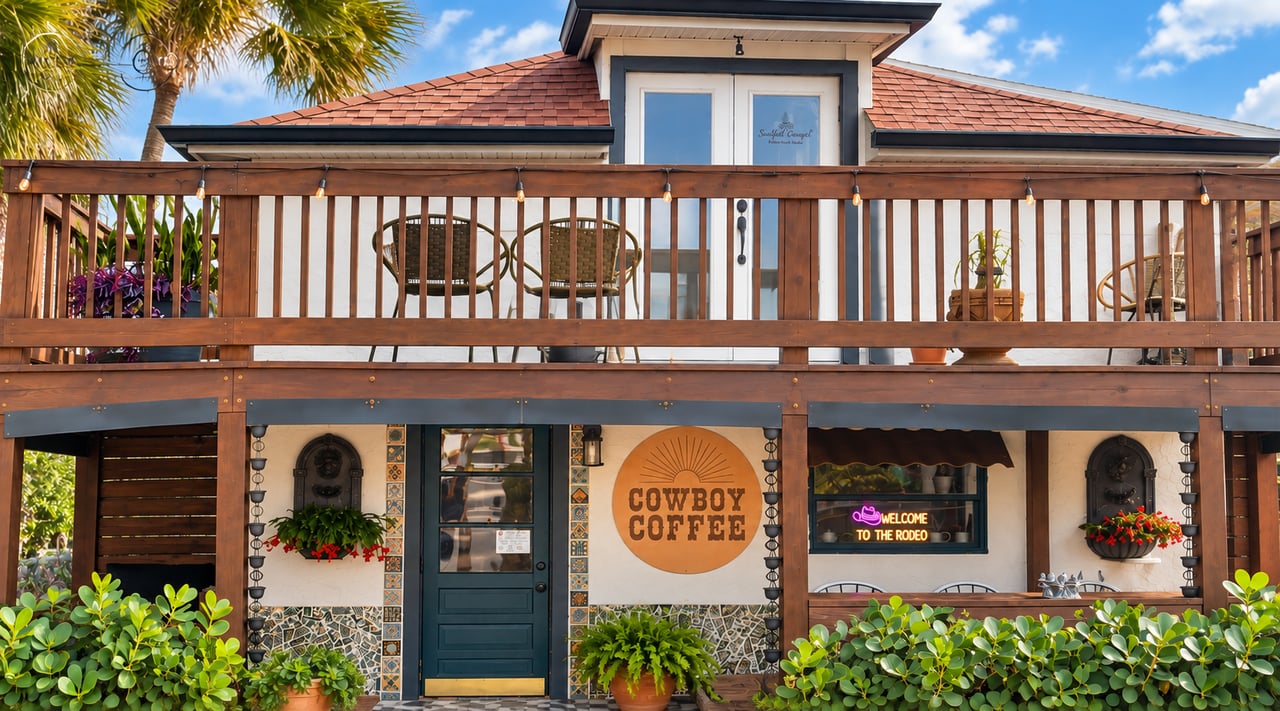
A local Realtor's honest look at daily life living beachside in Indialantic, FL — the walkable coffee scene, the pace, and what it means if you're buying here.
A closing can be ready on every front and still stall on insurance timing. Here's why, and how to plan around it.
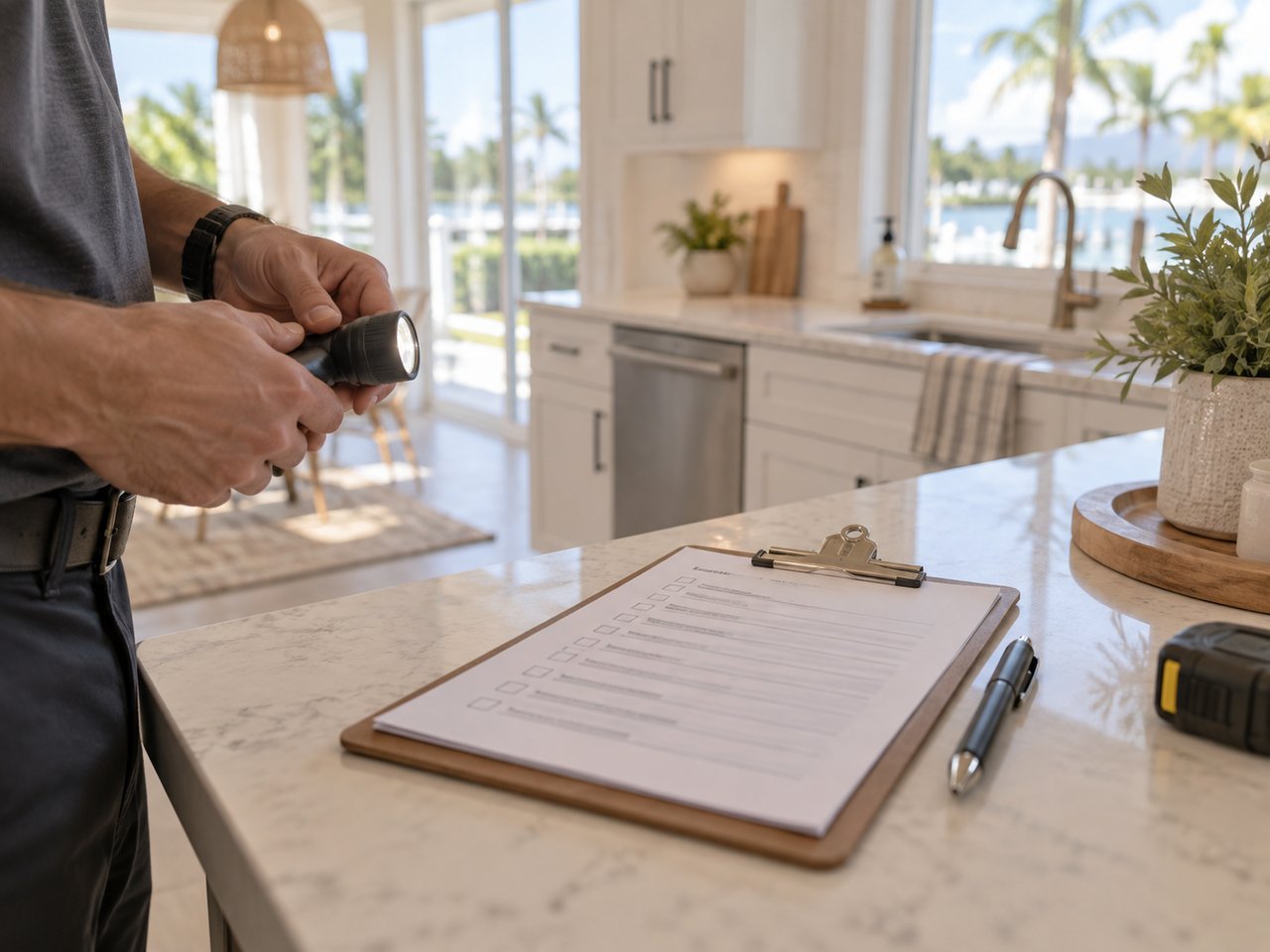
There's no universal answer, so here's how to think through the tradeoff before deciding.
Listings
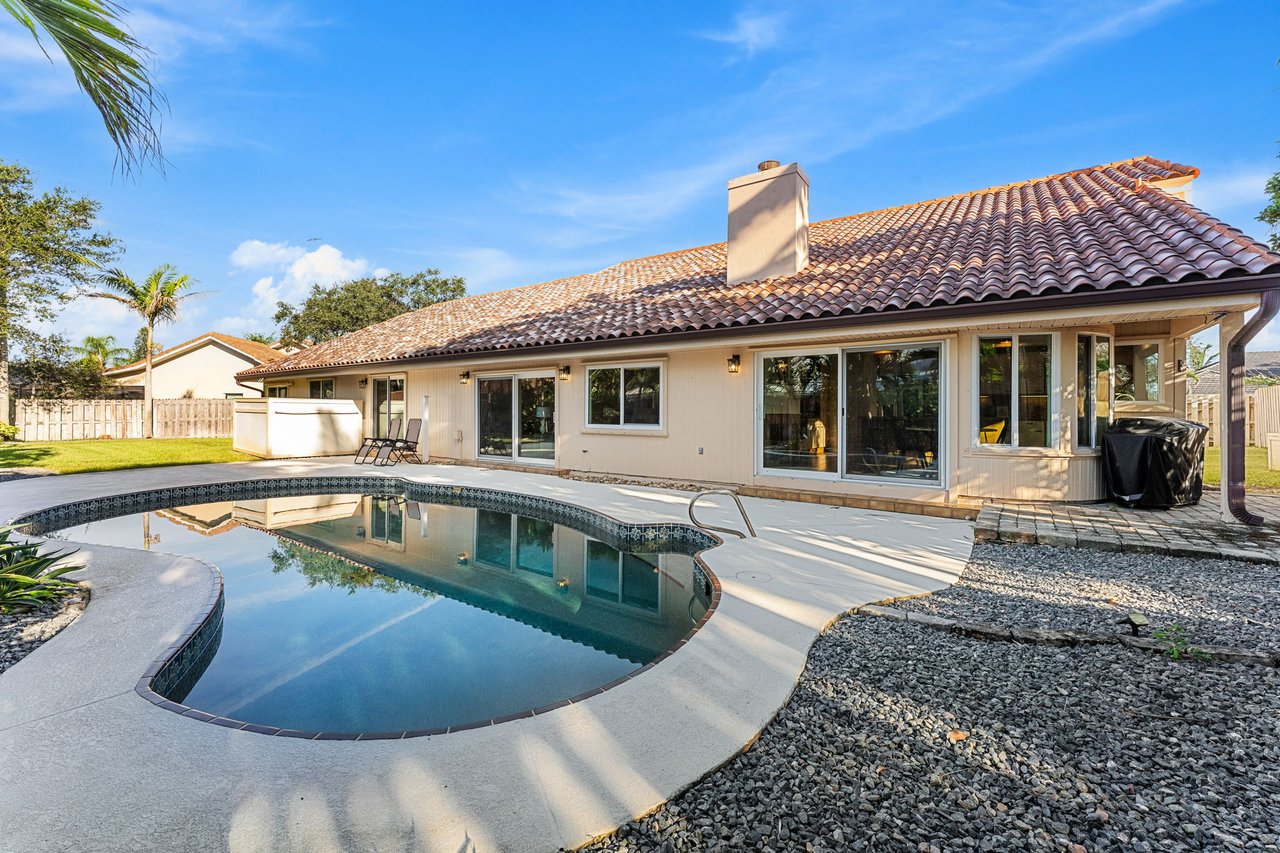
A 5-bedroom, 3.5-bath pool home in Rio Villa with nearly 3,900 square feet, distinctive architecture, and major improvements already complete.

Real Estate
Median price is a useful statistic, until it's asked to answer a property-specific question it was never designed for.

Buyer behavior is evidence of attention, not proof of intent, here's how to read it without overreacting.
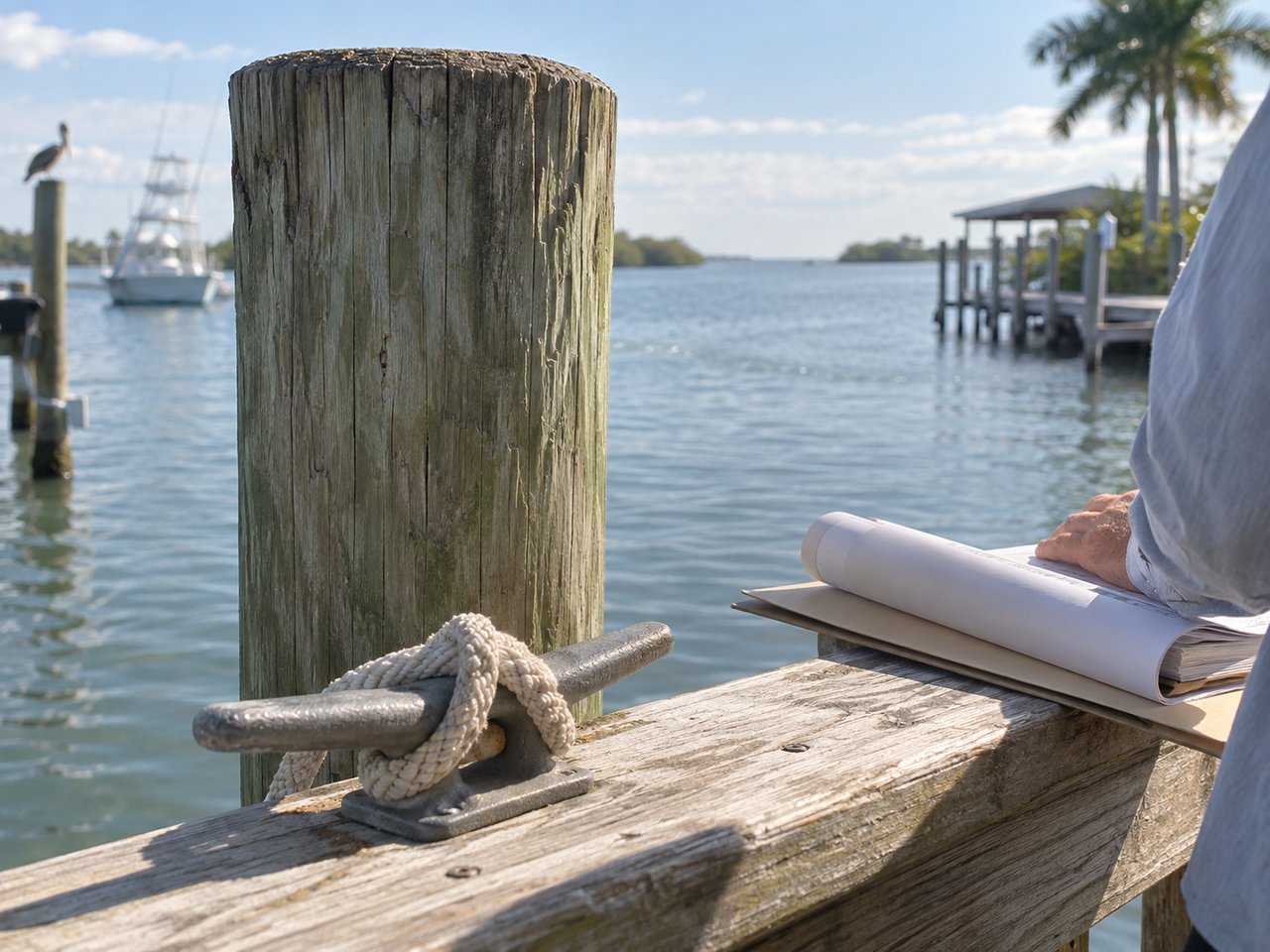
Preparing a waterfront listing means preparing the paperwork behind it, not just the dock and the view.
The data doesn't justify a 10-day rule, but it does justify paying close attention to the opening weeks.
Separating real evacuation, flood, and maintenance facts from assumptions about beachside ownership.
Get top-notch real estate help from a dedicated team focused on finding your perfect home. They're all about making you happy and ensuring your home-buying journey is smooth and fun. Let them lead you to your dream home hassle-free.

WHITNEY TEAM
719 PINE TREE DR, INDIAN HARBOUR BEACH, FL 32937
